Krea 2 Arrives - A Foundation Model Built for Stylistic Control, Not Photorealism
0:00 / 0:59
Sources
News
Krea 2 Arrives - A Foundation Model Built for Stylistic Control, Not Photorealism
calendar_today Date:
schedule Duration: 0:59
visibility Views: 198
database
Summary Report
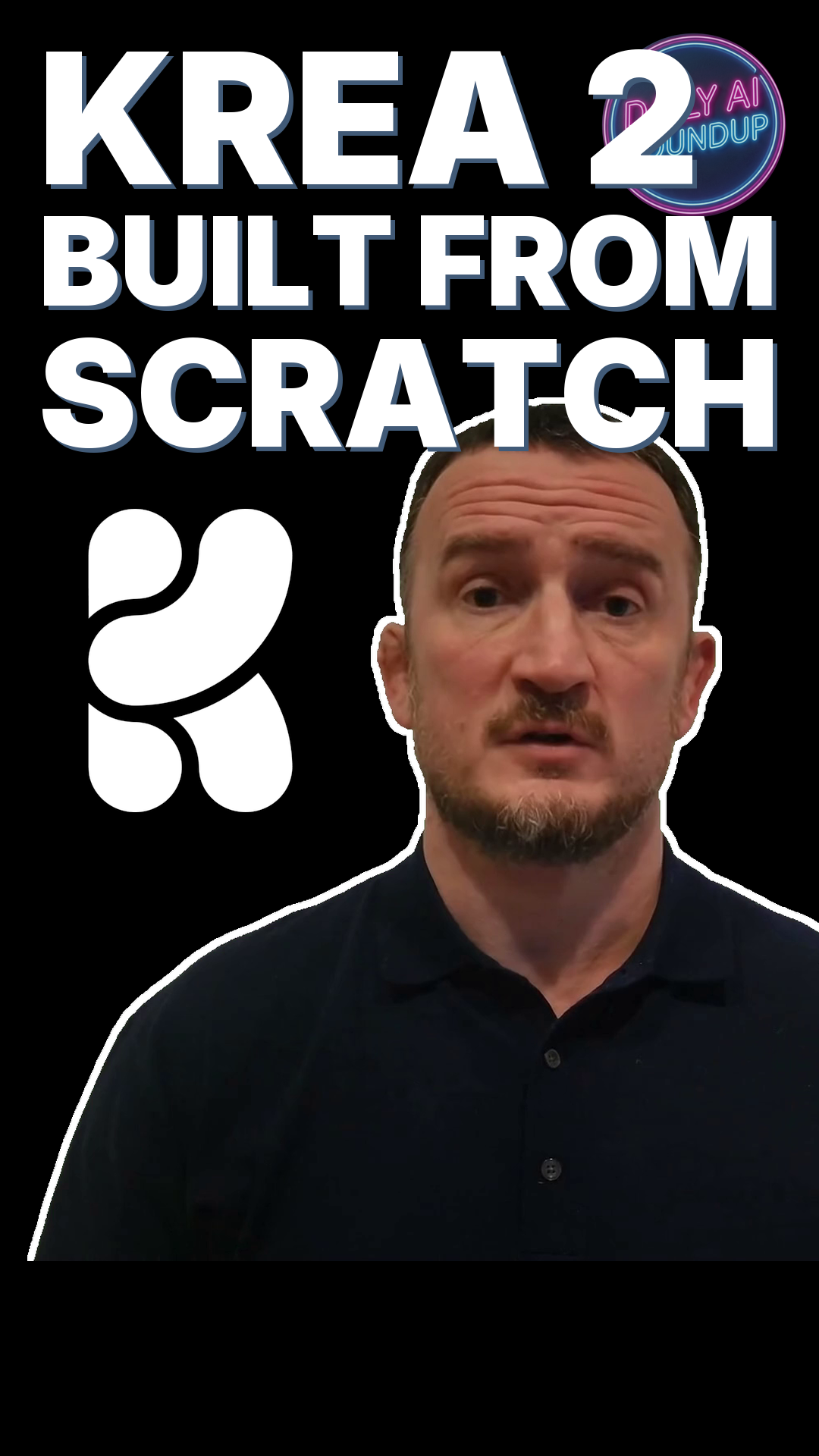
Krea has launched Krea 2, its first foundation model built from scratch, targeting aesthetic diversity and stylistic control - the first base model the Madrid startup owns end to end.
- 01. Krea 2 is Krea AI's first proprietary foundation model, built completely from scratch.
- 02. The model is purpose-built for aesthetic diversity and stylistic control, baking style into the weights rather than wrapping third-party engines.
- 03. Until now, Krea's platform stitched together models from Black Forest Labs, Google, and Kling.
- 04. The Madrid-based company serves over 30 million users across 191 countries, with customers including Pixar, LEGO, and Samsung.
- 05. Early access to Krea 2 is open now.
Krea has released Krea 2, marking the Madrid-based startup's first foundation model built entirely in-house. The model specifically targets aesthetic diversity and stylistic control, positioning itself as an alternative to photorealistic image generators that dominate the market.
This represents a significant strategic shift for Krea, which previously relied on third-party engines from Black Forest Labs, Google, and Kling. Where stylistic control was once applied as a wrapper around existing models, these capabilities are now embedded directly into Krea 2's weights. The company's founders, Victor Perez and Diego Rodriguez, secured $83 million in funding at a $500 million valuation last year.
The platform currently serves 30 million users across 191 countries, including creative teams at major companies like Pixar, LEGO, and Samsung. Early access to Krea 2 is now available, though the company faces the challenge of maintaining its competitive edge as open-weights ecosystems continue to advance rapidly.
Krea's move to develop its own foundation model reflects broader industry trends where specialised creative tools are building proprietary capabilities rather than relying solely on general-purpose models. The success of this approach will likely depend on whether Krea can deliver superior stylistic control compared to what users can achieve with existing open-source alternatives.
Meta Data
Company:
Model: