Unitree's Humanoid Gets Wheels - Why the Human Form Still Wins the Robot Race
0:00 / 0:55
Sources
News
Unitree's Humanoid Gets Wheels - Why the Human Form Still Wins the Robot Race
calendar_today Date:
schedule Duration: 0:55
visibility Views: 866
database
Summary Report
Unitree argues the humanoid form is the ideal general-purpose robot - and shows off a wheeled variant to prove you can have both legs and wheels when you want them.
- 01. Unitree posted a clip of its humanoid robot fitted with wheels.
- 02. The company argues humanoid bodies best match general AI and human-derived training data.
- 03. Human-shaped robots inherit the geometry of human environments for free.
- 04. Unitree's H1 hit 36 km/h this year using a wheeled-leg hybrid design.
- 05. The G1-D ships on a wheeled mobile base for warehouse and logistics work.
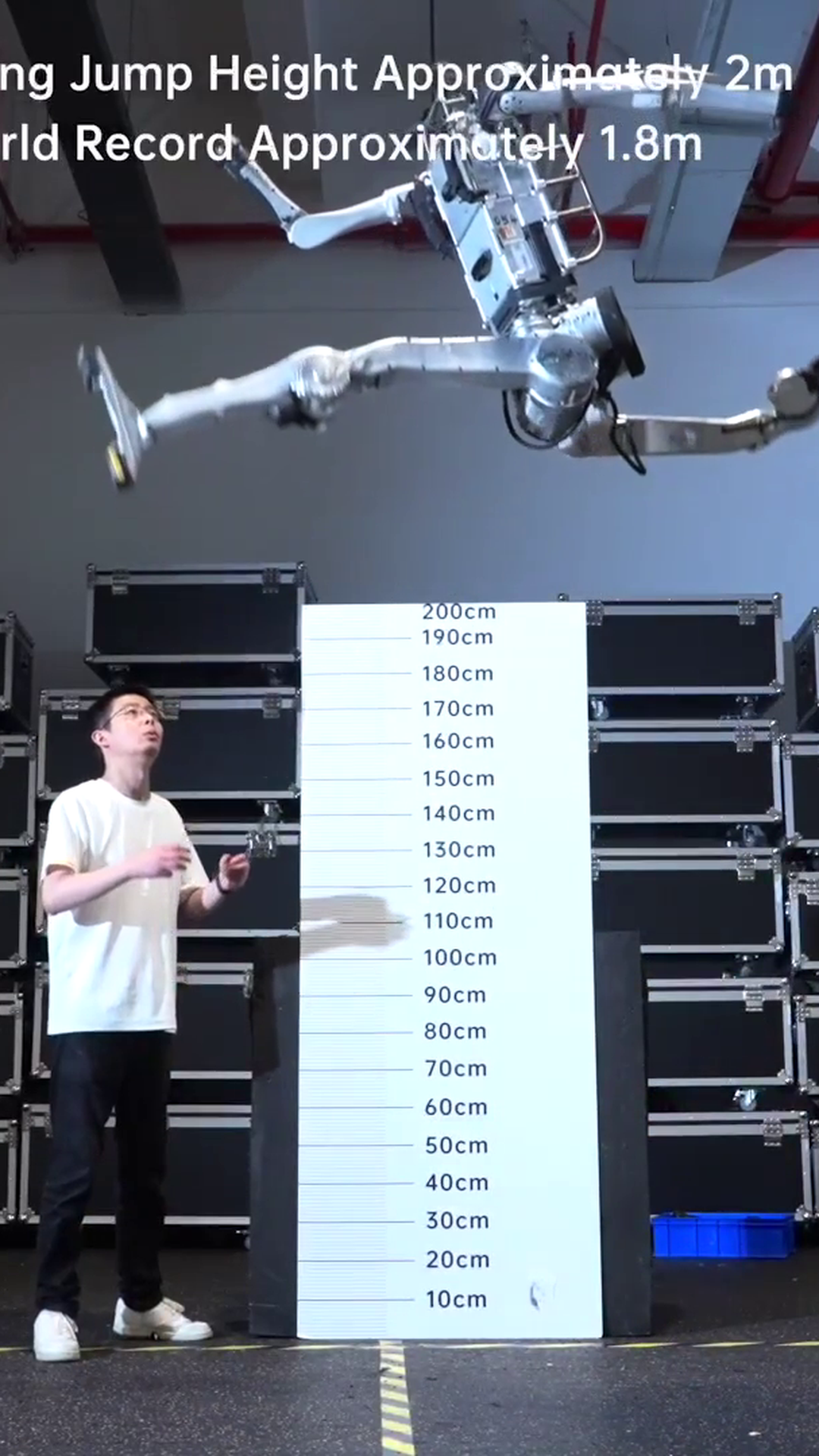
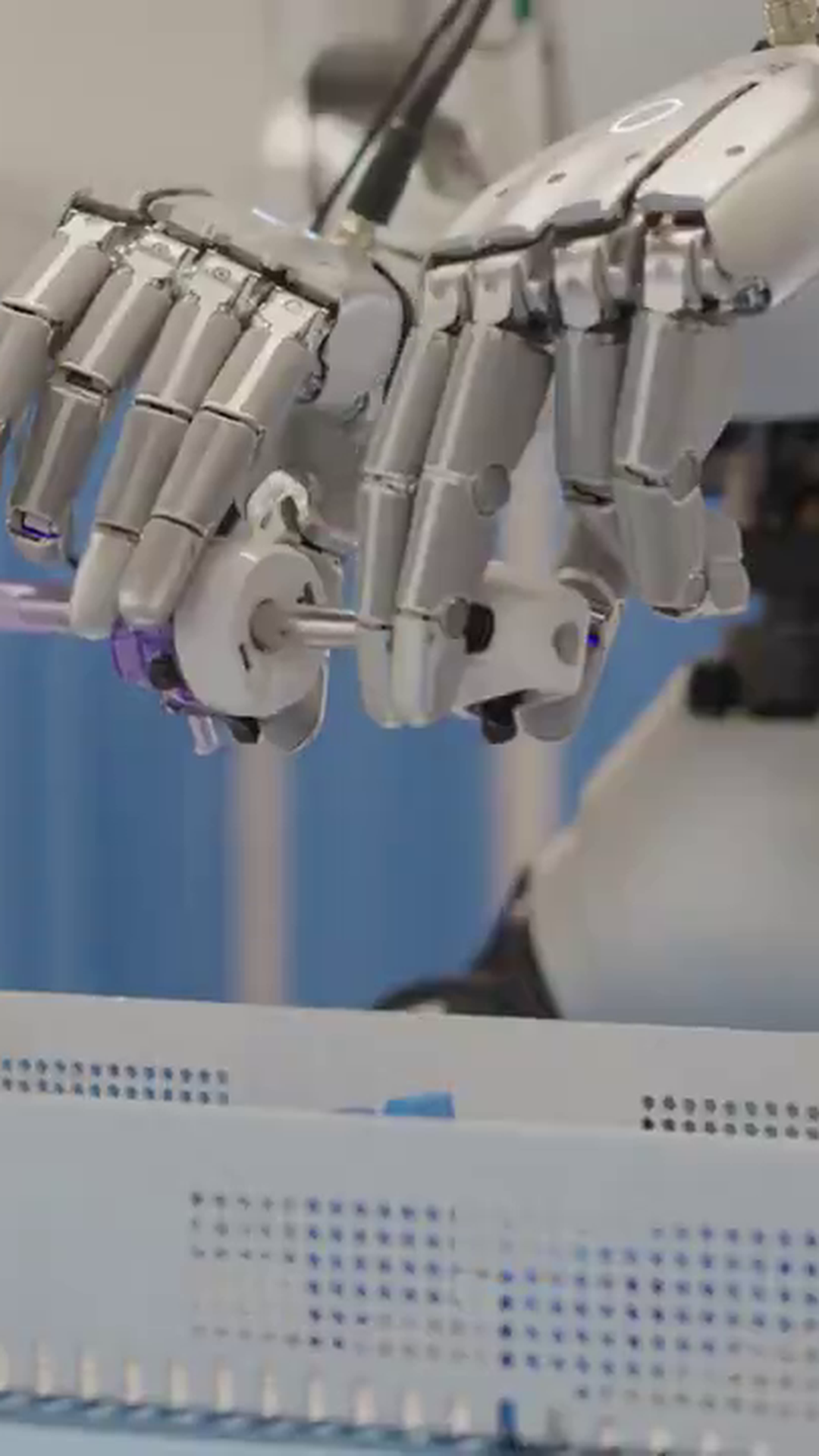
Unitree has entered the ongoing robotics design debate with a practical demonstration of their hybrid approach: humanoid robots equipped with retractable wheels. The Chinese robotics firm shared footage of their humanoid robot gliding on wheels, accompanied by their reasoning for why the human form remains optimal for general-purpose robotics.
The company's argument centres on environmental compatibility. Since the world's infrastructure—from doorways and staircases to kitchen counters and factory floors—was designed for human proportions, humanoid robots can navigate these spaces without requiring environmental modifications. When speed becomes a priority, wheels can be deployed to supplement the bipedal locomotion.
This isn't Unitree's first foray into hybrid locomotion. Their H1 robot achieved speeds of 36 kilometres per hour earlier this year using a wheeled-leg combination, whilst their G1-D model ships with a mobile wheeled base specifically for warehouse applications. This track record demonstrates their commitment to practical solutions over theoretical purity.
The approach represents a challenge to both specialised delivery robots and traditional bipedal-only designs. Unitree's bet is straightforward: general-purpose robotics will outcompete specialised solutions, and the most cost-effective path to general-purpose capability is building robots in the shape that already dominates human environments. By combining the human form factor with wheels when needed, they're positioning themselves for versatility without sacrificing efficiency.