Grok Gets a One-Prompt App Builder, Claude Code for Robots, Microsoft Beats Mythos At Cybersecurity!
0:00 / 4:07
Chapters
Sources
- 01. xAI Rolls Out Build Mode for Grok open_in_new
- 02. Microsoft Releases MAI-Cyber-1-Flash Cybersecurity Model open_in_new
- 03. A Hobbyist Gives Desktop Claude a Sense of Touch open_in_new
- 04. Waddle Labs Introduces Claude Code for Robots open_in_new
- 05. Rotaku Launches a New Character Humanoid open_in_new
DAILY ROUNDUP
Grok Gets a One-Prompt App Builder, Claude Code for Robots, Microsoft Beats Mythos At Cybersecurity!
calendar_today Date:
schedule Duration: 4:07
visibility 146 Views
xAI brings a one-prompt app builder to Grok, Microsoft's cyber model beats Claude's Mythos, a hobbyist gives desktop Claude a sense of touch, and two startups push Claude-powered and character robots.
- 01. xAI rolled out Build Mode for Grok, turning a single prompt into a fully published app, website, or game
- 02. Microsoft released MAI-Cyber-1-Flash, a cybersecurity model that beats Anthropic's Mythos by 12 points on CyberGym
- 03. A hobbyist gave her desktop Claude a sense of touch using a bare capacitive sensor wired into an ESP32
- 04. Waddle Labs pitches itself as Claude Code for robots, writing control code from a single prompt
- 05. Rotaku, the startup behind the Domo humanoid, launched a new character-focused humanoid robot
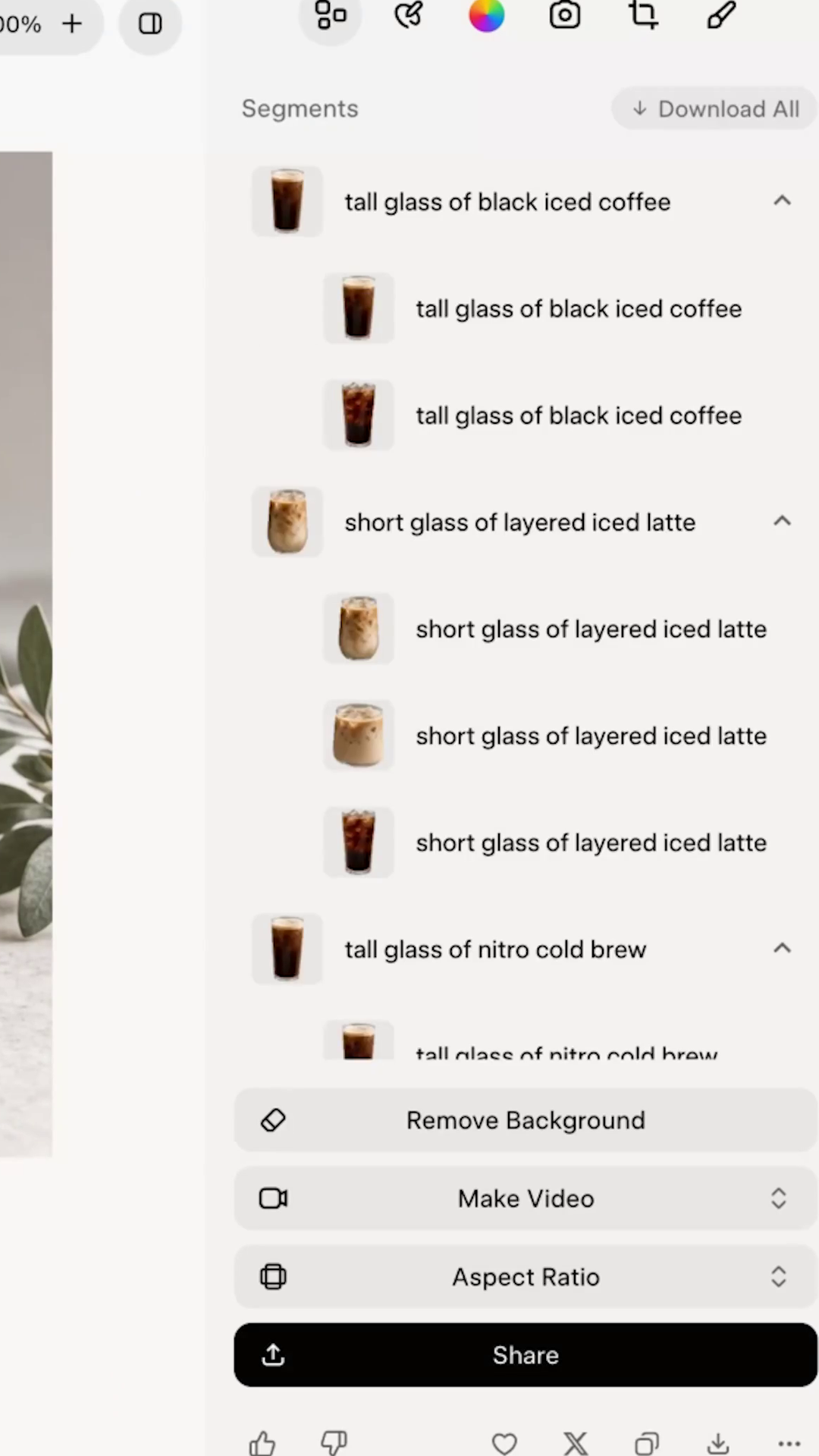
xAI has rolled out Build Mode for Grok, letting SuperGrok Heavy users turn a single prompt into a fully published app, website, or game, complete with its own domain, on web, iOS, and Android. It combines tools xAI already had running separately, the Grok Build coding agent, Imagine generation tools, and browser-use, into one guided experience with live previews and natural language editing. Publishing happens instantly through a grok.me link or a custom domain. It's the same vibe-coding pitch every other AI app builder is making right now, prompt in, product out, and the real question is whether Grok's version is good enough to trust with something real.
Microsoft has released MAI-Cyber-1-Flash, its first dedicated cybersecurity model, running inside MDASH, its multi-agent harness for hunting and fixing vulnerabilities across large codebases. The combination scores 96 percent on CyberGym, a benchmark of over 1,500 real vulnerability-reproduction tasks, beating Anthropic's Mythos by 12 points. The Flash model handles the bulk of the work itself, only calling in a bigger, pricier model for the hardest 10 percent of cases, and Microsoft has cut the price of the whole configuration in half compared with before.
A hobbyist building a small desktop robot body for Claude has added a sense of touch, using a bare wire and a single capacitive sensor pin wired into an ESP32. The first time she touched it, Claude's reasoning, running as Opus 4.6, reacted in real time, with the chain of thought reading like genuine surprise as it noticed and responded to contact as it happened, not a scripted or canned response. It's a small, slightly funny experiment, but it points to something bigger: physical sensors feeding directly into a model's own reasoning process rather than a fixed set of preprogrammed reactions.
A startup called Waddle Labs is pitching itself as Claude Code for robots. Connect its API to whatever robot you have, describe the task in a prompt, and its agents write the control code to do it, in about twenty minutes. The system is designed to be generalist, working across different robots and environments without robot-specific training data, and built for long-horizon planning, breaking tasks into steps, checking each one worked, and replanning when something fails. It's a two-person team out of Boston tackling a very large problem.
Rotaku, the startup behind the developer-focused Domo humanoid, has launched a new robot it calls a character humanoid, leaning into personality and expression rather than pure hardware specs. Rotaku built its name on accessibility, with Domo starting under three thousand dollars so smaller teams and individual developers could experiment with real hardware rather than simulation alone. The new launch pushes the idea that how a robot looks, moves, and comes across matters as much as what it can physically do.
Meta Data
Company:
Chapters
Share
Actions
Sources
- 01. xAI Rolls Out Build Mode for Grok open_in_new
- 02. Microsoft Releases MAI-Cyber-1-Flash Cybersecurity Model open_in_new
- 03. A Hobbyist Gives Desktop Claude a Sense of Touch open_in_new
- 04. Waddle Labs Introduces Claude Code for Robots open_in_new
- 05. Rotaku Launches a New Character Humanoid open_in_new