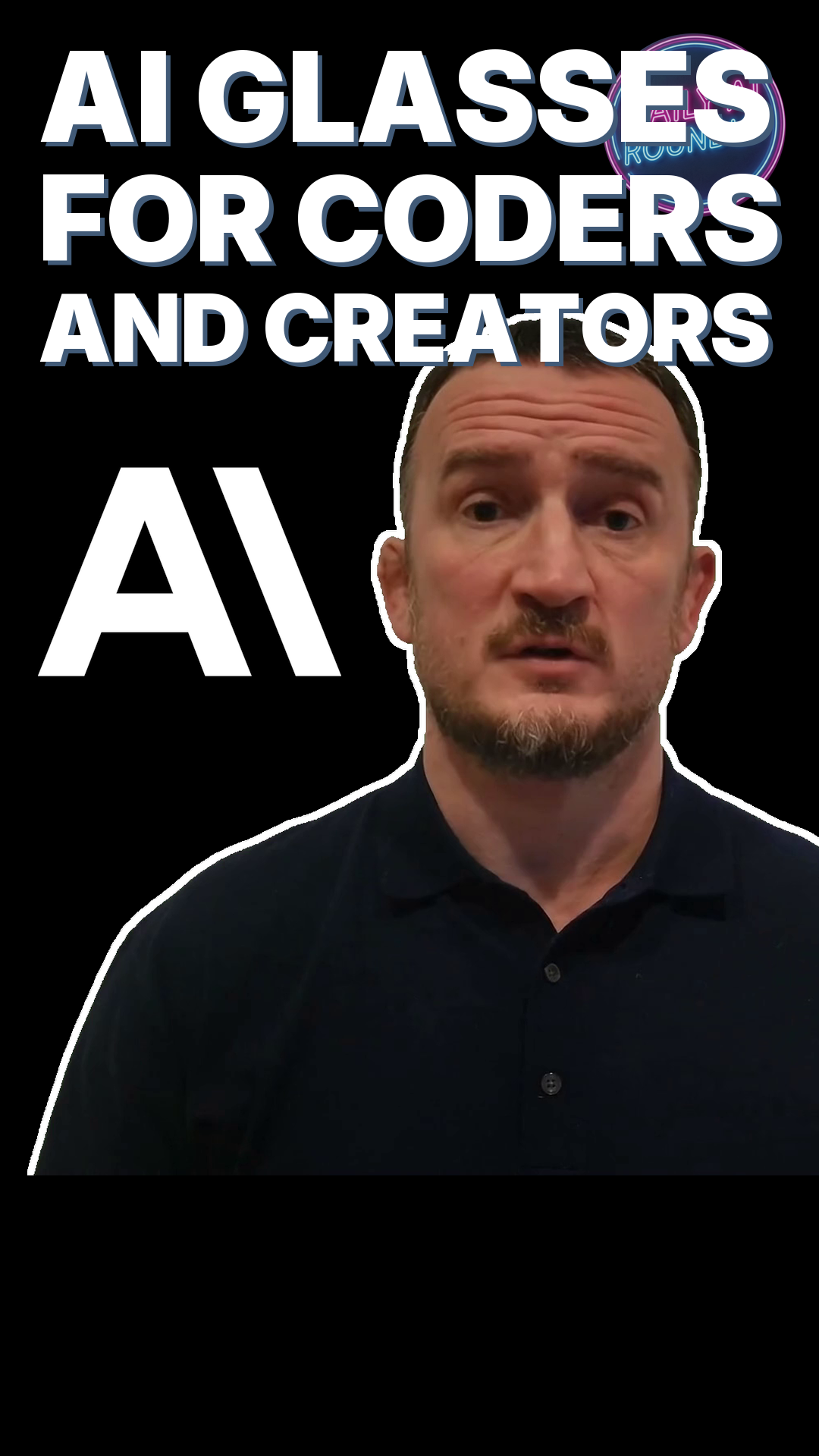
Monako Glass Unveiled - AI Glasses With Claude Code, Blender and Unreal Engine Built In
0:00 / 0:52
Sources
News
Monako Glass Unveiled - AI Glasses With Claude Code, Blender and Unreal Engine Built In
calendar_today Date:
schedule Duration: 0:52
visibility Views: 2,273
database
Summary Report
Monako has launched Monako Glass, AI glasses built for creators rather than consumers, with direct connectors for Claude Code, Codex, Unreal Engine, Blender and After Effects.
- 01. Monako Glass is a wearable AI platform aimed at developers and creators, not casual smart-glasses users.
- 02. It connects directly to Claude Code, Codex, Unreal Engine, Blender and After Effects.
- 03. A Vision Engine translates micro-gestures into precise digital commands.
- 04. Workflows span the glasses, cloud sandboxes and a local Mac or PC.
- 05. It positions itself against Meta and Vision Pro by targeting professional builders over the mass market.
Monako has launched Monako Glass, positioning the AI-powered wearable as a professional development tool rather than a consumer lifestyle device. The glasses integrate directly with professional creative and development platforms including Claude Code, OpenAI's Codex, Unreal Engine, Blender, and After Effects, creating what the company calls a unified wearable workstation.
The device's Vision Engine interprets micro-gestures to control these applications, with workflows designed to span the glasses themselves, cloud-based sandboxes, and local machines. This approach targets users performing intensive creative tasks such as coding, 3D modelling, and motion graphics production directly from the headset.
Monako's strategy represents a deliberate shift away from the mass-market approach pursued by Meta and Apple's Vision Pro. Rather than focusing on social media integration, photography, or general productivity features, the company is betting that professional creators and developers represent the most viable early adopters for all-day wearable computing.
The key question remains whether the gesture-based controls will prove reliable in real-world development scenarios beyond polished demonstration videos. The gap between controlled demo environments and practical daily use represents a significant challenge for any gesture-controlled professional tool.