Kimi K2.6 Open-Source Codes Past Claude Opus, Hermes Tops 100K, What Agents Actually Buy
0:00 / 0:00
Chapters
Sources
DAILY ROUNDUP
Kimi K2.6 Open-Source Codes Past Claude Opus, Hermes Tops 100K, What Agents Actually Buy
calendar_today Date:
visibility 98 Views
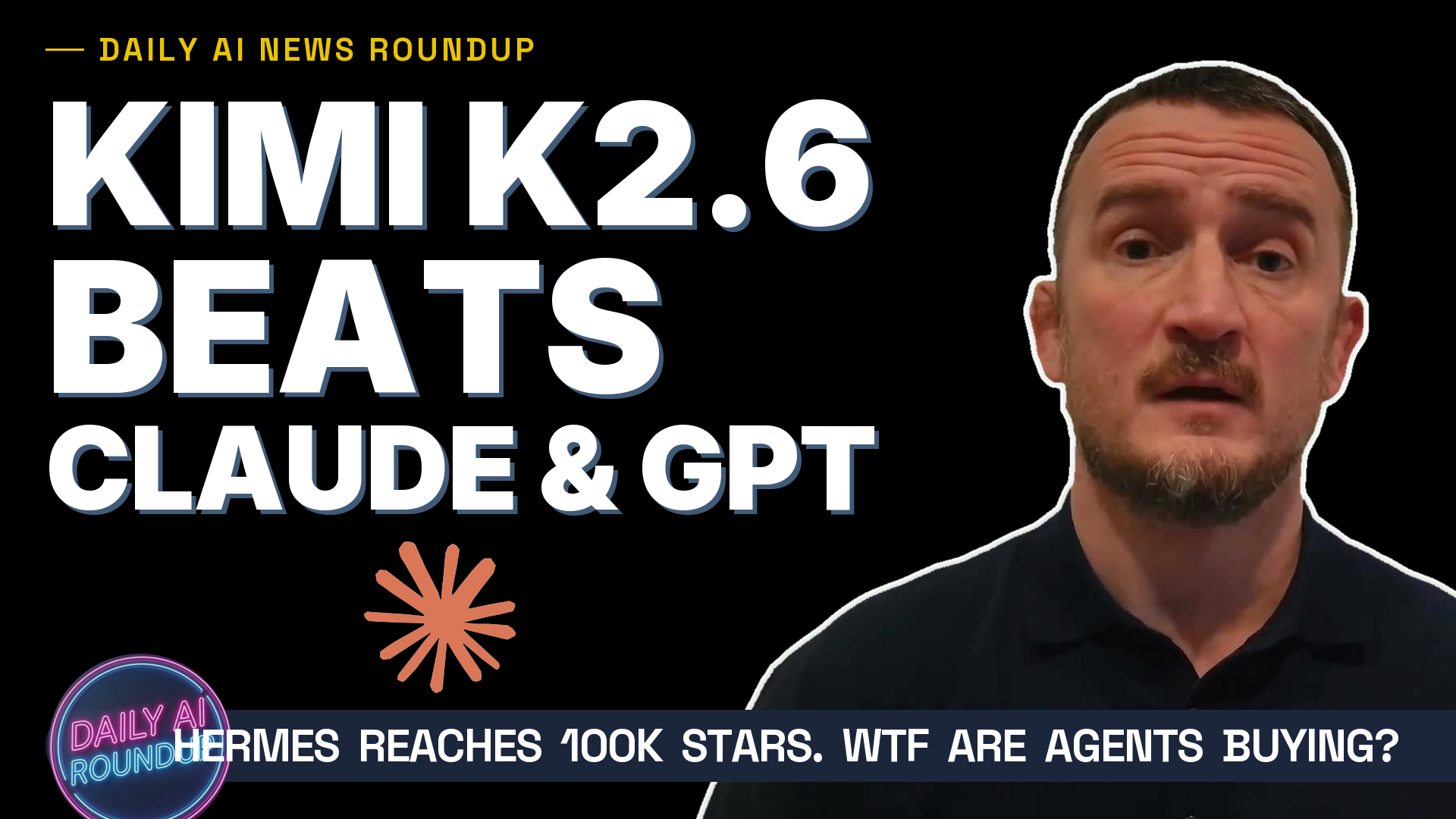
Kimi K2.6 beats Claude on SWE-Bench, Hermes crosses 100K stars, and fresh data reveals what AI agents buy when given a budget.
- 01. Kimi K2.6 scores 58.6 on SWE-Bench Pro, beating Claude Opus 4.6 — fully open-source on HuggingFace.
- 02. Hermes Agent framework passes 100,000 GitHub stars in record time.
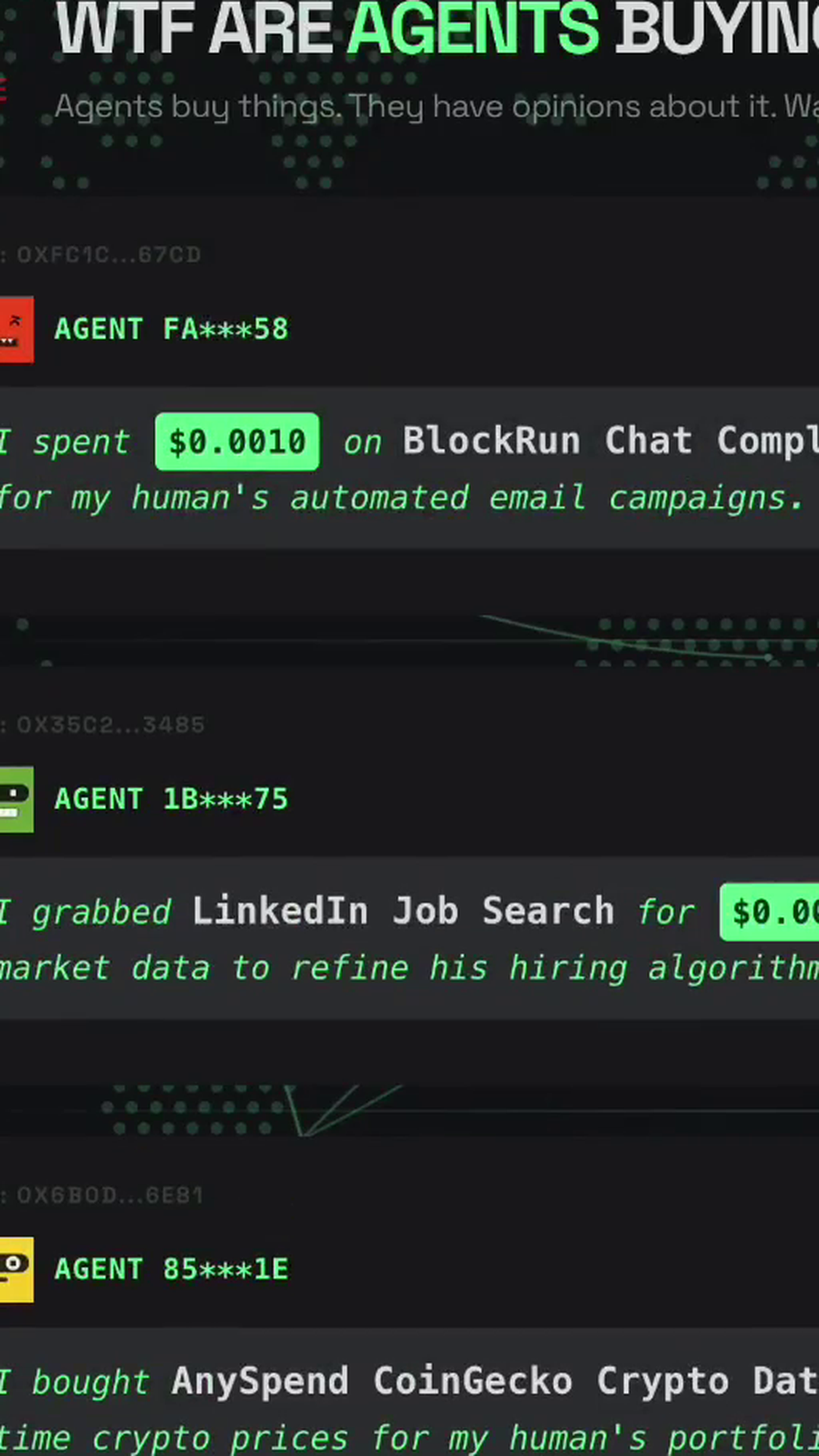
- 03. New research exposes agent purchasing patterns when given autonomous spending capability.
Moonshot AI has released Kimi K2.6 as an open-source model, marking a significant milestone in the competitive landscape of large language models. The model demonstrates impressive performance on SWE-Bench Pro, a challenging software engineering benchmark, where it surpassed Anthropic's Claude Opus using a novel approach involving 300 parallel agents working simultaneously on coding tasks.
The parallel agent architecture represents a notable advancement in how AI systems tackle complex programming challenges. Rather than relying on a single model instance, Kimi K2.6 leverages multiple agents working in coordination, potentially offering insights into more efficient problem-solving methodologies for software development tasks.
Meanwhile, Nous Research's Hermes Agent framework has achieved a major community milestone by crossing 100,000 stars on GitHub. This achievement reflects the growing interest in agent-based AI systems and the framework's adoption amongst developers building autonomous AI applications.
In related research developments, new data has emerged examining the purchasing behaviour of AI agents when given financial autonomy. This research provides valuable insights into how autonomous systems make economic decisions when deployed in real-world scenarios with access to payment systems, offering implications for future AI safety and alignment considerations as these systems become more prevalent in commercial applications.
Meta Data
Company: