OpenClaw Plugs Into ChatGPT, Unity AI Open Beta, RSI by 2028, AI Designs Antibiotic
0:00 / 3:26
Chapters
Sources
- 01. Sam Altman Plugs ChatGPT Into OpenClaw - Anthropic Blocks Claude on the Same Agent Platform open_in_new
- 02. Unity AI Open Beta Launches - Connect Claude Code and Cursor via MCP Server open_in_new
- 03. Recursive Self-Improvement by 2028 - Jack Clark Says It's a Coin Flip Plus Ten open_in_new
- 04. AI Just Designed a Brand-New Antibiotic - SyntheMol-RL Beats MRSA in Lab Tests open_in_new
DAILY ROUNDUP
OpenClaw Plugs Into ChatGPT, Unity AI Open Beta, RSI by 2028, AI Designs Antibiotic
calendar_today Date:
schedule Duration: 3:26
visibility 230 Views
OpenClaw plugs into ChatGPT, Unity AI open beta lands, Jack Clark on RSI by 2028, AI designs a new MRSA antibiotic.
- 01. OpenAI now lets ChatGPT subscribers sign in to OpenClaw, the open-source agent framework, with their existing accounts. Anthropic blocked Claude access on the s
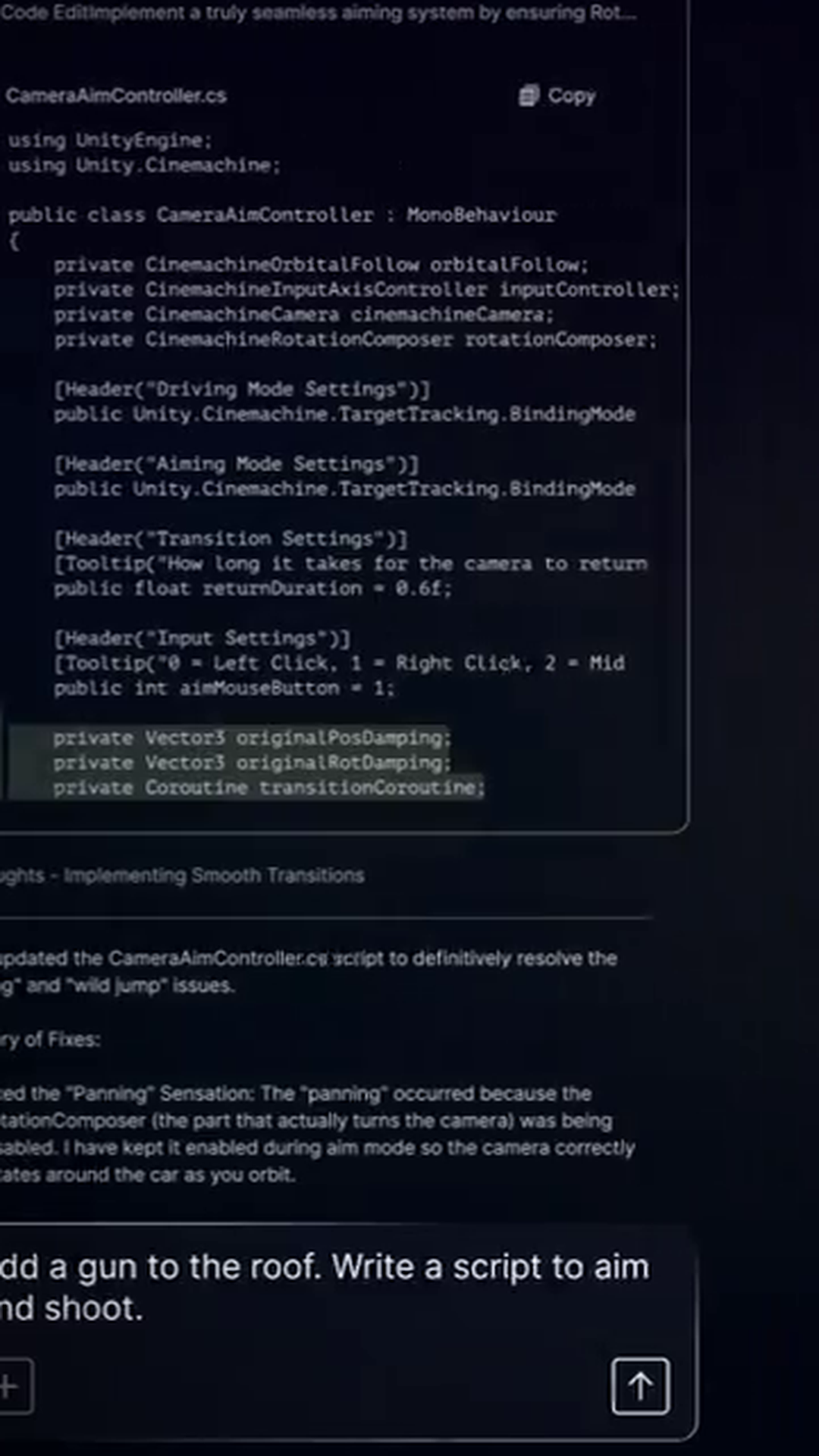
- 02. Unity AI is now in open beta for every Unity 6 developer. The launch bundles a built-in agent, asset generators, and an AI Gateway that lets third-party tools l
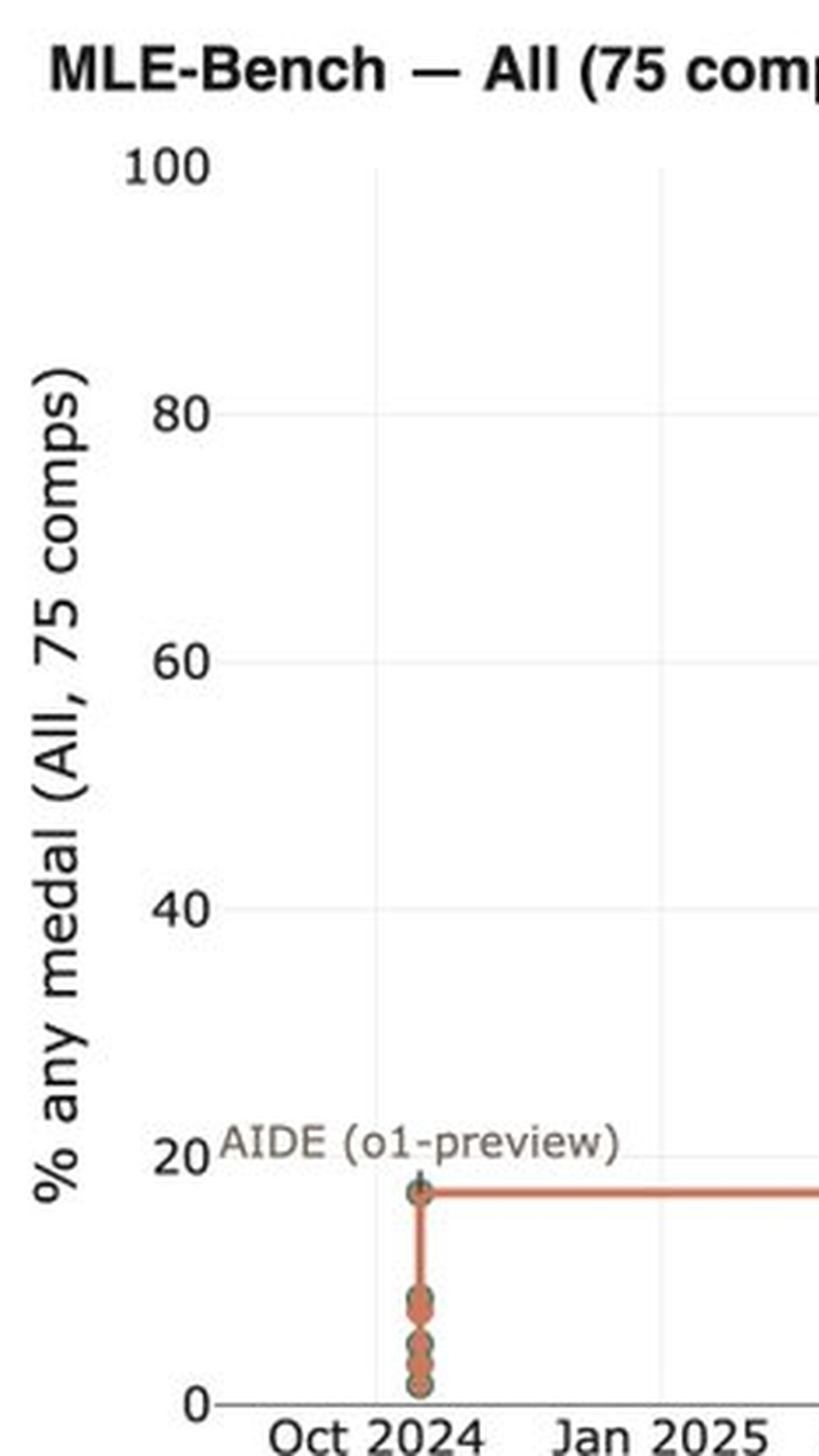
- 03. Anthropic's Jack Clark puts the odds of recursive self-improvement happening by end of 2028 at 60%. AI systems capable of building their own successors, within
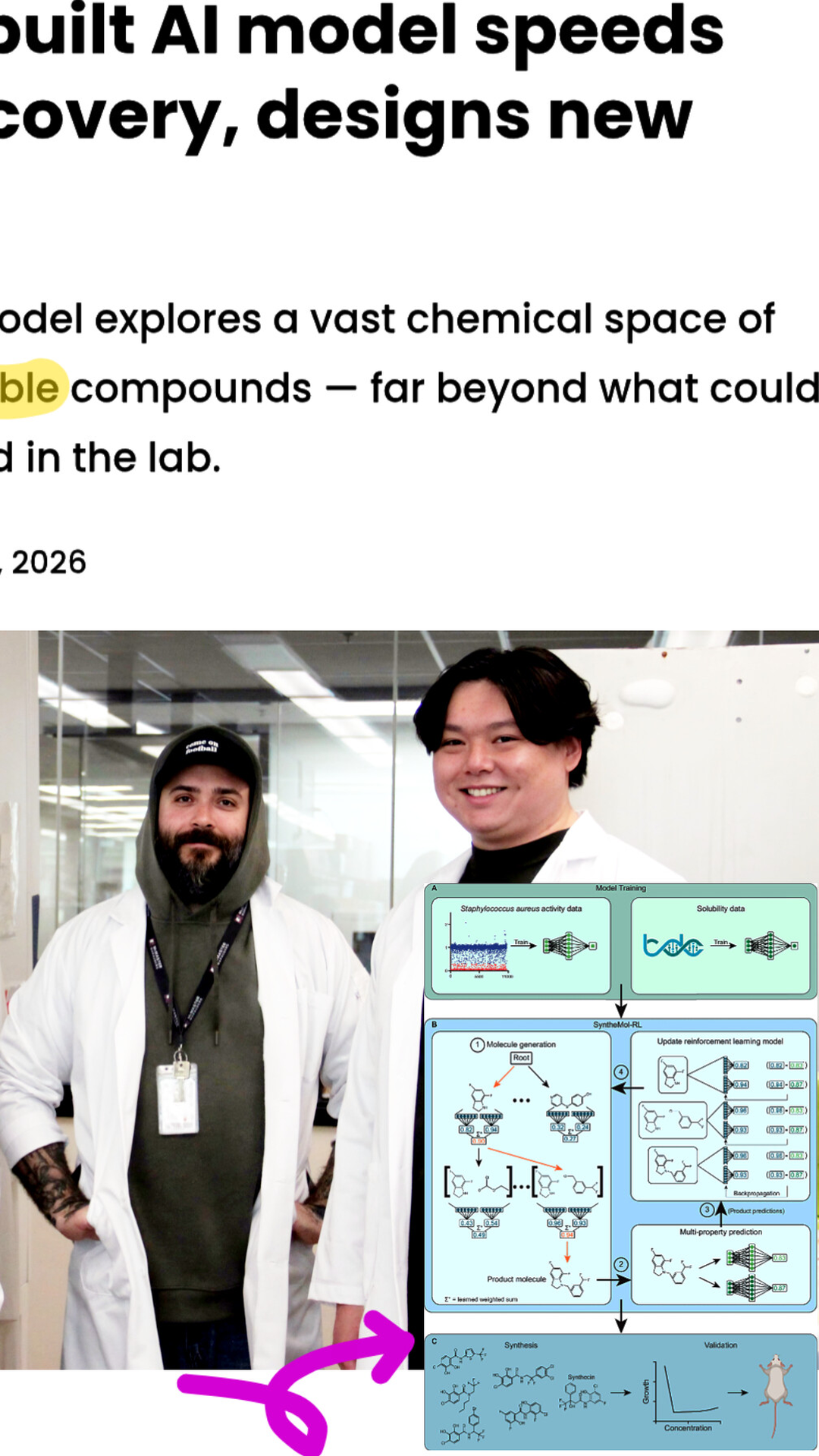
- 04. Researchers at McMaster and Stanford used a reinforcement learning model called SyntheMol-RL to design synthecin - a brand-new antibiotic that cleared MRSA infe
Sam Altman's OpenClaw platform has successfully integrated ChatGPT capabilities whilst simultaneously blocking access to Anthropic's Claude agent. This development highlights the growing competition between AI platforms as they seek to establish exclusive partnerships and control access to leading language models.
Unity AI has launched its open beta featuring Claude Code integration and Cursor MCP (Model Context Protocol) support. The gaming engine company's foray into AI tooling represents a significant expansion of its platform capabilities, potentially transforming how developers create and iterate on interactive experiences. The inclusion of MCP support suggests Unity is positioning itself as a comprehensive AI development environment.
Former OpenAI policy director Jack Clark has offered a provocative prediction, giving recursive self-improvement in AI systems a "coin flip plus ten percent" chance of occurring by 2028. This 60% probability assessment for achieving artificial general intelligence through self-improving systems reflects growing confidence amongst AI researchers that transformative capabilities may emerge within the next four years.
Meanwhile, in a breakthrough for drug discovery, SyntheMol-RL has successfully designed a new antibiotic capable of defeating MRSA (methicillin-resistant Staphylococcus aureus) in laboratory tests. This achievement demonstrates AI's potential to address critical medical challenges, with the system's reinforcement learning approach proving effective at molecular design for combating antibiotic-resistant pathogens.
Meta Data
Tag:
Model:
Chapters
Share
Actions
Sources
- 01. Sam Altman Plugs ChatGPT Into OpenClaw - Anthropic Blocks Claude on the Same Agent Platform open_in_new
- 02. Unity AI Open Beta Launches - Connect Claude Code and Cursor via MCP Server open_in_new
- 03. Recursive Self-Improvement by 2028 - Jack Clark Says It's a Coin Flip Plus Ten open_in_new
- 04. AI Just Designed a Brand-New Antibiotic - SyntheMol-RL Beats MRSA in Lab Tests open_in_new