OpenAI's Agents Claim A Solution To The Navier-Stokes Millennium Prize Problem Worth $1 Million
0:00 / 3:41
Chapters
Sources
DAILY ROUNDUP
OpenAI's Agents Claim A Solution To The Navier-Stokes Millennium Prize Problem Worth $1 Million
calendar_today Date:
schedule Duration: 3:41
visibility 158 Views
OpenAI's agents claim a solution to the Navier-Stokes Millennium Prize problem, DeepMind launches AlphaGenome Atlas, ChatGPT Images 2.5 arrives, Meta launches its Muse agent app, and XPeng's robots start building robots.
- 01. Up to 10,000 agents on a model beyond GPT-6 Astra worked 88 hours to produce a Lean-verified finite-time blowup solution to Navier-Stokes, worth $1 million
- 02. AlphaGenome Atlas is a 1-petabyte database of predictions for all 9 billion single-letter DNA changes, 30x the size of the AlphaFold database, available via portal, API and Antigravity
- 03. ChatGPT Images 2.5 is up to 50% faster than Images 2, adds Sketch, templates and comment-based editing, plus Flare and Sunburst API models
- 04. Meta's Muse handles emails, travel, schedules and long-term goals via its app or WhatsApp, with each user's agent and data in a dedicated secure VM
- 05. XPeng's Guangzhou line automates over 80% of humanoid robot production; IRON has 76 degrees of freedom and mass production is due by year end
Today's AI news: OpenAI says a group of its agents, running on a next-generation model beyond GPT-6 Astra, has produced a Lean-verified solution to the Navier-Stokes Millennium Prize problem. Google DeepMind launched AlphaGenome Atlas, a searchable database predicting the impact of all 9 billion single-letter DNA changes. OpenAI released ChatGPT Images 2.5, up to 50% faster with a new Sketch tool. Meta launched Muse, a personal AI agent app. And XPeng commissioned the first automated production line for humanoid robots.
Chapters:
0:00 Today's AI News
0:27 Navier-Stokes Proof
1:15 AlphaGenome Atlas
1:55 ChatGPT Images 2.5
2:37 Meta Muse
3:12 XPeng Robot Factory
Blend Roundup 2026-09-08
https://x.com/OpenAI/status/2097374640582668336
https://x.com/GoogleDeepMind/status/2097325048109384166
https://x.com/OpenAI/status/2097394956457623964
https://x.com/Muse/status/2097399178376671666
https://x.com/xiaopenghexpeng/status/2097135503015616798
In a stunning development, OpenAI's agents have produced a solution to a ninety-year-old Millennium Prize problem. Plus DeepMind maps all nine billion single-letter DNA changes, ChatGPT Images 2.5 lands, twice as fast, Meta launches Muse, its personal agent app, and XPeng's robots are now building robots. Here's today's AI news.
OpenAI says a group of its agents has produced a solution to the Navier-Stokes existence and smoothness problem, one of the seven Millennium Prize problems, unsolved for around ninety years and worth a million dollars. The agents ran on a next-generation model OpenAI describes as significantly more capable than GPT-6 Astra - reportedly up to ten thousand agents working in parallel for eighty eight hours, at a compute cost in the millions. The answer is that smooth three-dimensional fluid flow can break down: a vortex tightens and spins ever faster into what mathematicians call finite-time blowup, while the energy stays bounded. The proof is written in Lean, so it can be formally checked rather than just argued over. Only one Millennium problem had been solved before, so this result is quite stunning.
Google DeepMind has launched AlphaGenome Atlas, a searchable database of pre-computed predictions for the effect of every one of the nine billion possible single-letter changes in the human genome. It's a petabyte of data, more than thirty times the size of the AlphaFold database, and it links each variant to the molecular mechanism it's predicted to disrupt. It's available through a web portal, the AlphaGenome API and as a skill in Google Antigravity, and early collaborators have already used it to pin down and experimentally confirm variants in unsolved rare disease cases. AlphaFold changed protein research. This is aimed at doing the same for the genome.
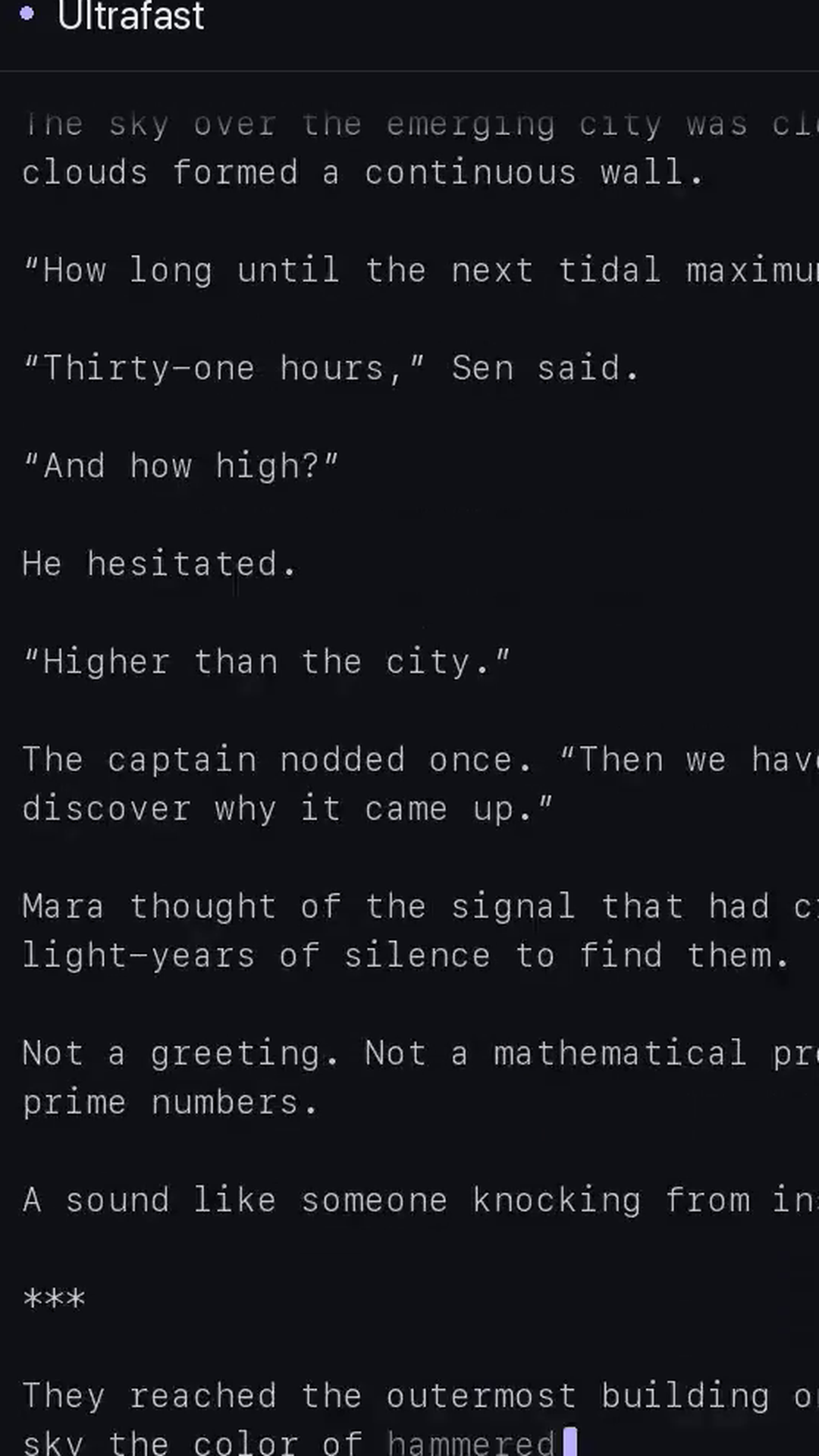
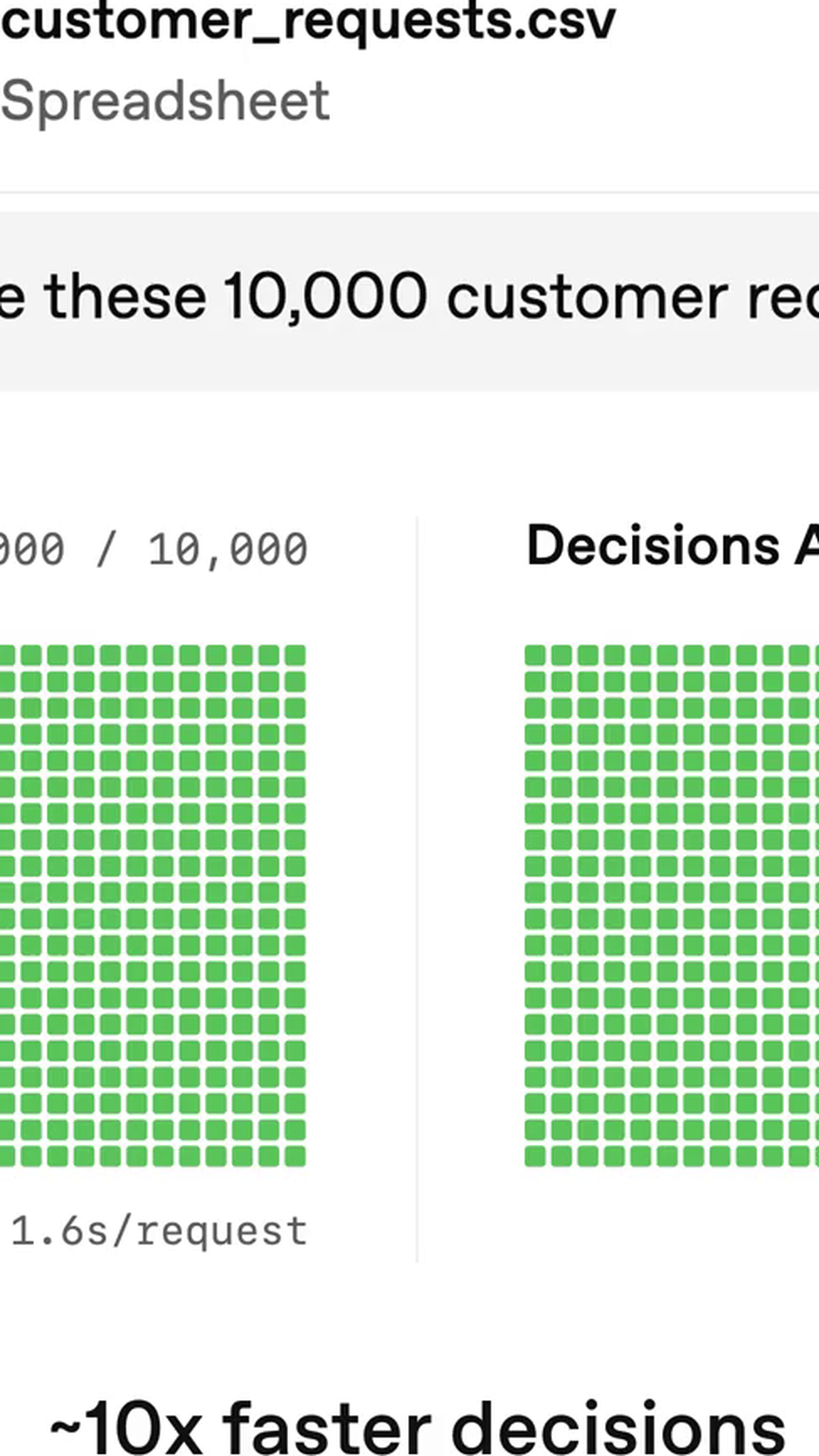
OpenAI has released ChatGPT Images 2.5: its new state-of-the-art image model, live for every ChatGPT and Codex user. Generation is up to fifty percent faster than Images 2, lighting and textures look more natural, it keeps the people from your reference photos recognisable, and edits stay consistent across multiple turns instead of drifting. The new tools are the fun part: Sketch lets you draw straight into ChatGPT and use the drawing as a reference, plus templates, comment-based editing and prompt sharing. Developers get two API models, Flare and Sunburst, the first at half the latency of GPT-Image-2. Fast, faithful and editable is the whole game now.
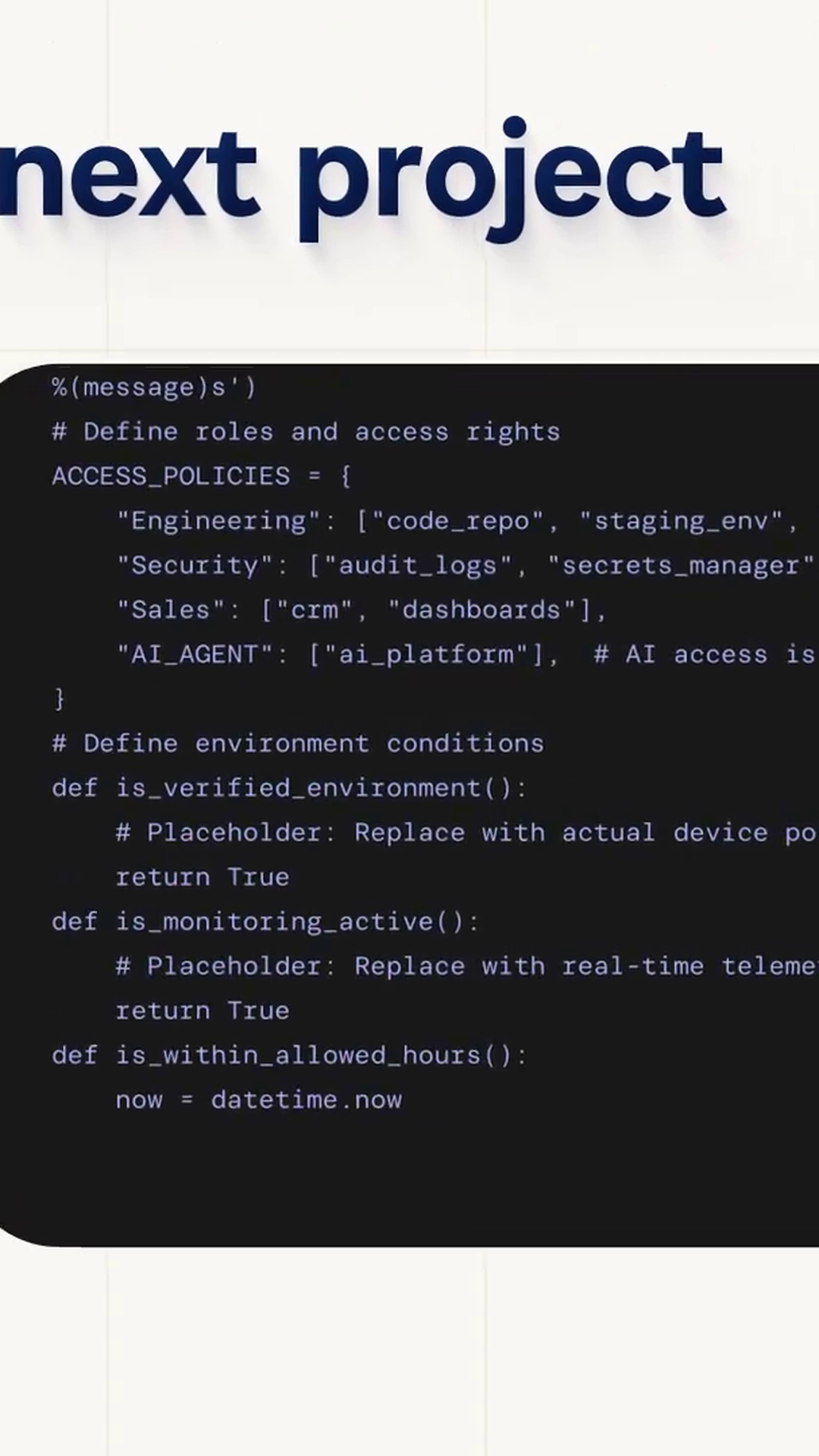
Meta has launched Muse, a personal AI agent with its own iPhone app. It's designed to handle the small stuff like sending an email, booking travel, managing your schedule and shopping - and bigger things like turning a long-term goal into a plan, a year of exercise, or a new business. You can talk to it in the Muse app or, straight from WhatsApp. Each person's agent and data live in what Meta calls a Muse Secure VM, a dedicated virtual machine, and you can opt out of your conversations being used for training. Given the company: trust will be crucial with this one.
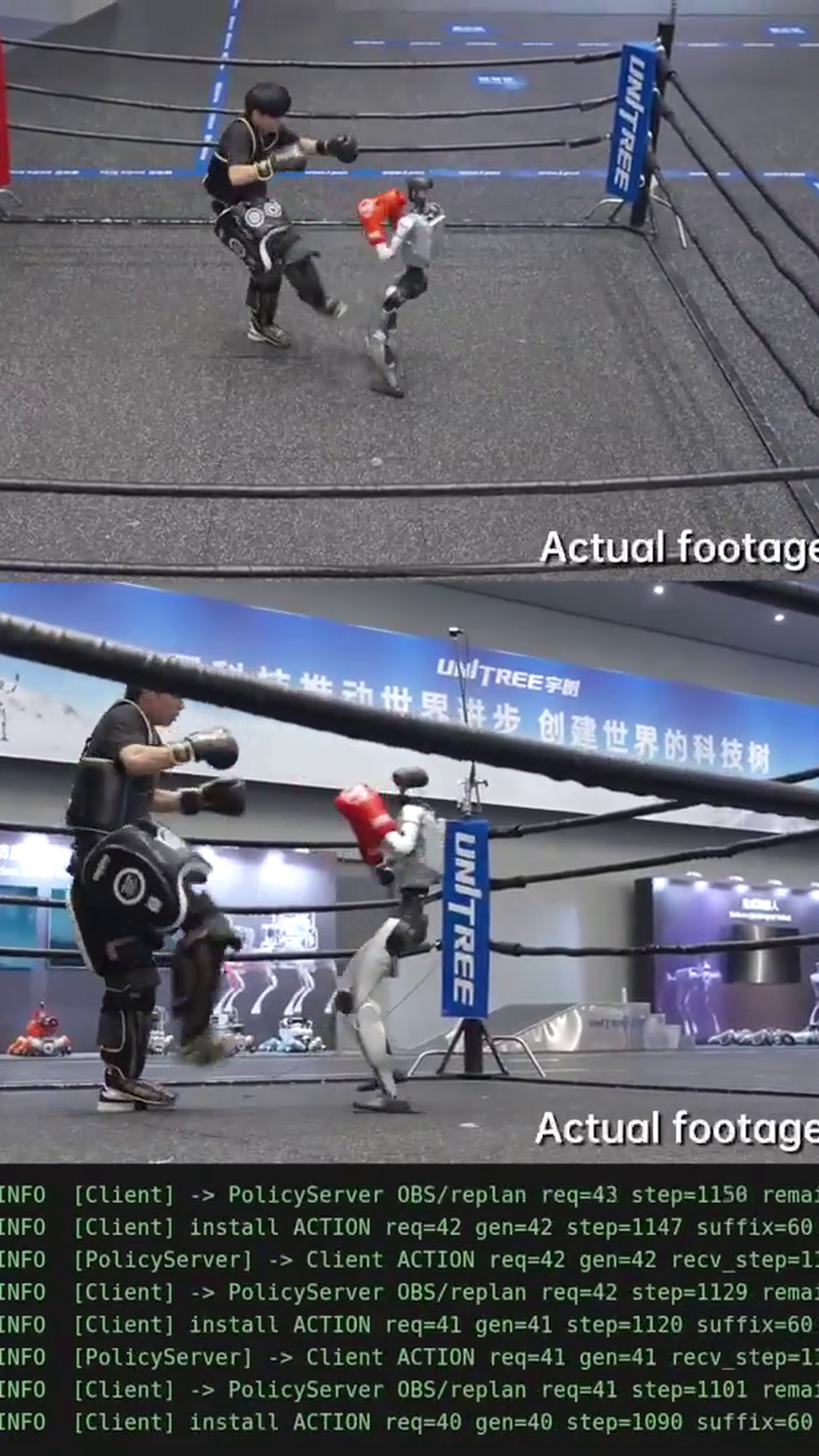
XPeng has commissioned what it calls the world's first automated production line for general-purpose humanoid robots - robots building robots - and the first IRON humanoid walked itself off the line in Guangzhou. More than eighty percent of the core processes are automated, borrowing the quality systems from its car plants, and He Xiaopeng says the lines were designed from scratch with no precedent to follow. IRON itself has seventy six degrees of freedom and runs on three of XPeng's own Turing chips. Mass production is due by the end of the year.
Meta Data
Company:
LLM:
Model: