Grok 4.7 Beats Claude Fable And GPT-5.6 Sol On Legal And Engineering At A Fifth Of The Price
0:00 / 4:11
Chapters
Sources
DAILY ROUNDUP
Grok 4.7 Beats Claude Fable And GPT-5.6 Sol On Legal And Engineering At A Fifth Of The Price
calendar_today Date:
schedule Duration: 4:11
visibility 38 Views
Grok 4.7 leads the frontier on legal and electrical engineering at a fifth of Fable's price, OpenAI recruits nine mathematicians to advise on announcing proofs, Googlebook builds Gemini into the cursor, Qwen open-sources a 7B image model, and a YouTuber loses to a piloted humanoid.
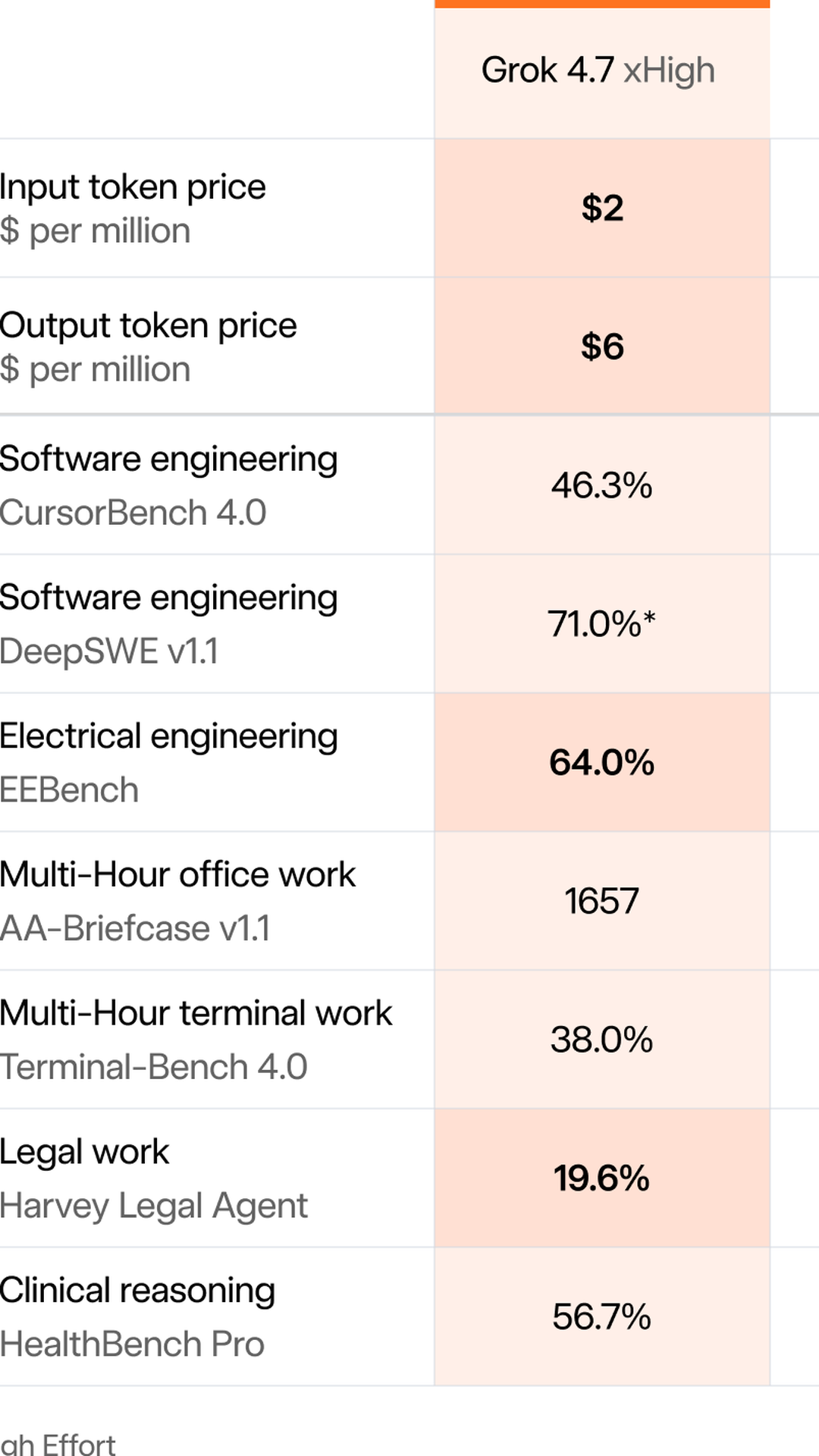
- 01. Grok 4.7: $2 in and $6 out per million tokens, same as 4.6; EEBench 64.0% vs Fable 5.1 56.4% and GPT-5.6 Sol 39.4%; Harvey Legal Agent 19.6% vs 6.7% and 2.5%; Terminal-Bench up from 20.3% to 38.0%
- 02. Fable 5.1 still leads CursorBench, Terminal-Bench 4.0 and HealthBench Pro but costs $10 in and $50 out
- 03. OpenAI's maths advisory group: nine unpaid mathematicians including Gowers, Hairer and Witten; can publish recommendations and advise other labs; no decision-making power and no say on research pace
- 04. Googlebook from $899, shipping October 4: on-device Magic Pointer, Rambler dictation and Create My Widget on 45+ TOPS NPUs, Glowbar on the lid, a year of Google AI Pro included
- 05. Qwen-Image-2.1: 7B single-checkpoint generation and editing at native 2K, native RGBA layers, up to ten reference images; research and non-commercial licence
- 06. REK's human vs robot fight in Austin: a remotely piloted six-foot humanoid put YouTuber Frankie LaPenna across the cage
Today's AI news: SpaceXAI released Grok 4.7 at the same price as Grok 4.6, leading Claude Fable 5.1 and GPT-5.6 Sol on EEBench and Harvey's legal agent benchmark at a fifth of Fable's cost. OpenAI formed an independent, unpaid advisory group of nine mathematicians including Fields medallists Timothy Gowers, Martin Hairer and Edward Witten, after weeks of criticism over its unverified Navier-Stokes claim. Google opened preorders for Googlebook laptops from $899, with on-device Gemini Intelligence features Magic Pointer, Rambler and Create My Widget. Alibaba open-sourced Qwen-Image-2.1, a 7B generation and editing model with native transparency. And robotics company REK staged the first human versus humanoid robot cage fight.
Chapters:
0:00 Today's AI News
0:32 Grok 4.7
1:31 OpenAI Maths Advisers
2:16 Googlebook
3:00 Qwen-Image-2.1
3:40 Human Vs Robot Fight
Blend Roundup 2026-09-21
https://x.com/SpaceXAI/status/2102069815225586149
https://x.com/OpenAI/status/2102093145051943229
https://x.com/ssamat/status/2102060793491534191
https://x.com/NewsFromGoogle/status/2102052346968555840
https://x.com/chromeunboxed/status/2102059047394398716
https://x.com/Alibaba_Qwen/status/2101659302792679789
https://x.com/REK/status/2101771246962938155
Grok 4.7 arrives at the same price as 4.6 and beats Claude Fable and GPT 5.6 Sol on legal and electrical engineering work. OpenAI recruits nine top mathematicians to advise on how it announces proofs, after a month of being accused of doing it badly. Google's Googlebook bakes Gemini into the cursor. Qwen open-sources a seven-billion-parameter image model, and a YouTuber fights a six-foot robot. Here's today's AI news.
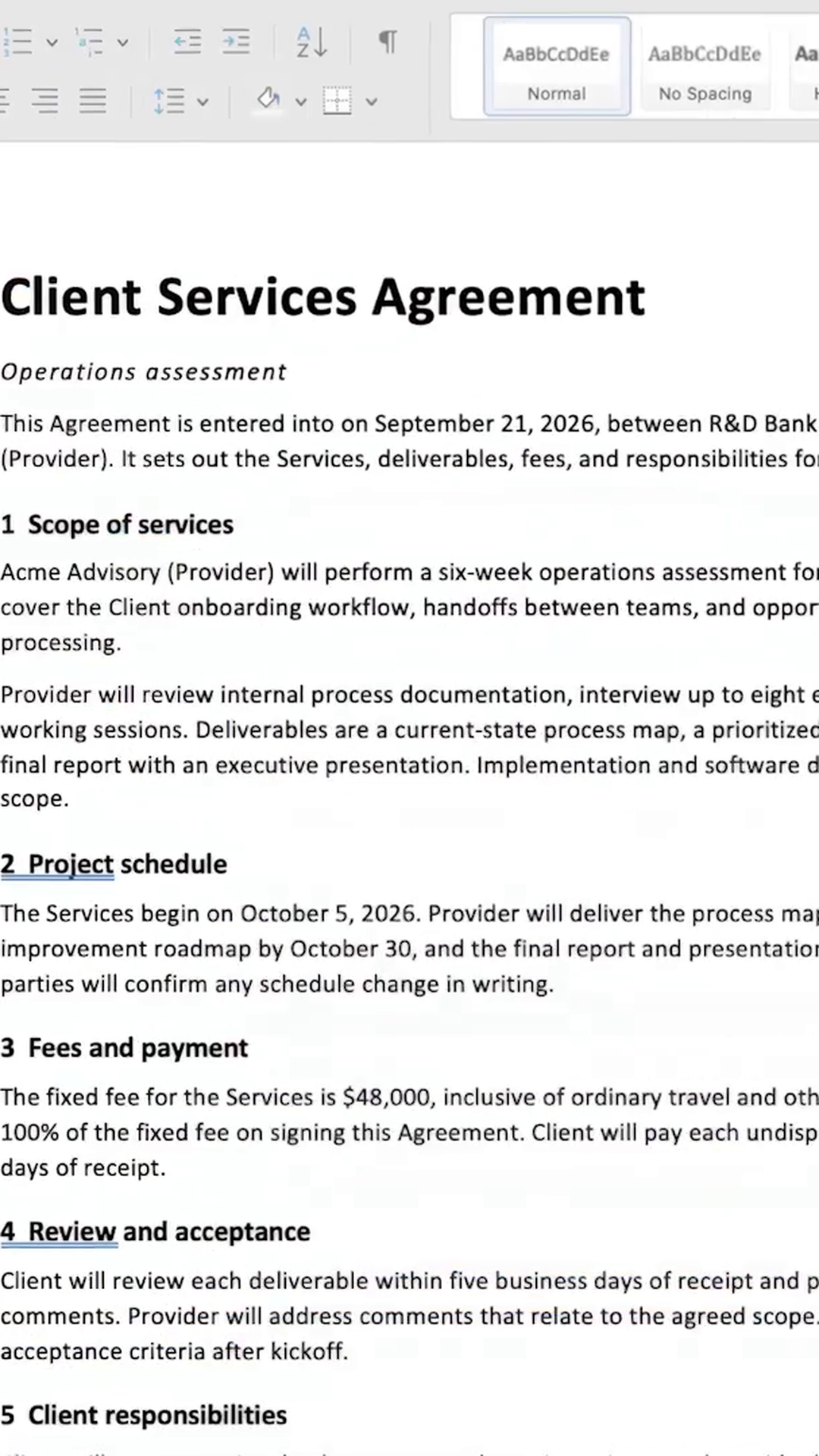
SpaceXAI has released Grok 4.7, nine days later than Elon Musk promised, and priced exactly like Grok 4.6: two dollars per million input tokens and six dollars out. On SpaceXAI's own chart it leads the frontier in two places. On EEBench, an electrical engineering test, it scores 64 percent against 56.4 for Claude Fable 5.1 and 39.4 for GPT 5.6 Sol. On Harvey's legal agent benchmark it scores 19.6 percent against 6.7 and 2.5. Over its predecessor the jump is biggest on multi-hour terminal work, from 20.3 to 38 percent. Fable still wins coding on CursorBench, terminal work by twenty points, and clinical reasoning. But Fable costs ten dollars in and fifty out, and Sol costs four and twenty. Grok is a fifth of Fable's price and within a whisker on multi-hour office work. Second place at twenty percent of the cost is a strategy.
OpenAI has formed an independent advisory group of mathematicians to help it responsibly share advances in AI and mathematics. The nine include Fields medallists Timothy Gowers, Martin Hairer and Edward Witten. They take no payment, can publish their own recommendations, and are free to advise other labs. What they don't get is decision-making power, or any say over the pace of OpenAI's research. The context matters. OpenAI's Navier-Stokes proof is still unverified, twenty-five Fields medallists signed an open letter about rushed announcements, and OpenAI pulled its Caltech sponsorship after criticism. This is the repair job. Their first task is coordinating the release of a large collection of significant results. So there are more coming.
Googlebook is up for preorder: a new laptop platform built on the Android stack with ChromeOS desktop foundations, from Acer, ASUS, Dell, HP and Lenovo, starting at 899 dollars and shipping October 4th. Gemini Intelligence is a major part of the release. Wiggle the cursor and Magic Pointer brings Gemini to whatever's on screen, to tidy a calendar, translate text or check whether an email looks suspicious. Rambler turns a spoken brain-dump into clean writing and Create My Widget builds desktop widgets from a description. All three run on-device, on NPUs rated above 45 TOPS, and a Glowbar on the lid pulses when you talk to it. Every machine includes a year of Google AI Pro.
Alibaba's Qwen team has open-sourced Qwen-Image 2.1, a seven-billion-parameter model that handles both image generation and editing in a single checkpoint at native 2K. The standout is native transparency: it generates and edits real RGBA layers, so you can isolate an object or change text on a transparent asset without masking it afterwards. Editing takes up to ten reference images with local control from circles, masks or paint marks, which covers group portraits, virtual try-ons and room design. The catch is the licence: research and non-commercial use only. Open weights, closed wallet.
In a cage in Austin, Texas, YouTuber Frankie LaPenna has fought a six-foot Terminator-styled humanoid in what robotics company REK calls the first human versus robot fight. About a hundred people watched. LaPenna landed combinations to the chest and head. The robot answered with a front kick that sent him across the cage, and another that put him into the perspex. It wasn't autonomous: a human pilot drove it remotely, because REK is building a VR combat game where people control real humanoids. Nevertheless, this was not a good sign for team human.