Google Runs AI in Space, Silent Speech Translation Glasses & Brain-Cell Video AI
0:00 / 3:58
Chapters
Sources
DAILY ROUNDUP
Google Runs AI in Space, Silent Speech Translation Glasses & Brain-Cell Video AI
calendar_today Date:
schedule Duration: 3:58
visibility 2 Views
Google runs Gemma 4 on a TPU in orbit, Subvocal opens pre-orders for silent speech glasses, Canva launches its Brush design model, Anthropic lifts Ultra's five-hour limit, and TBC launches a video model from brain-cell research.
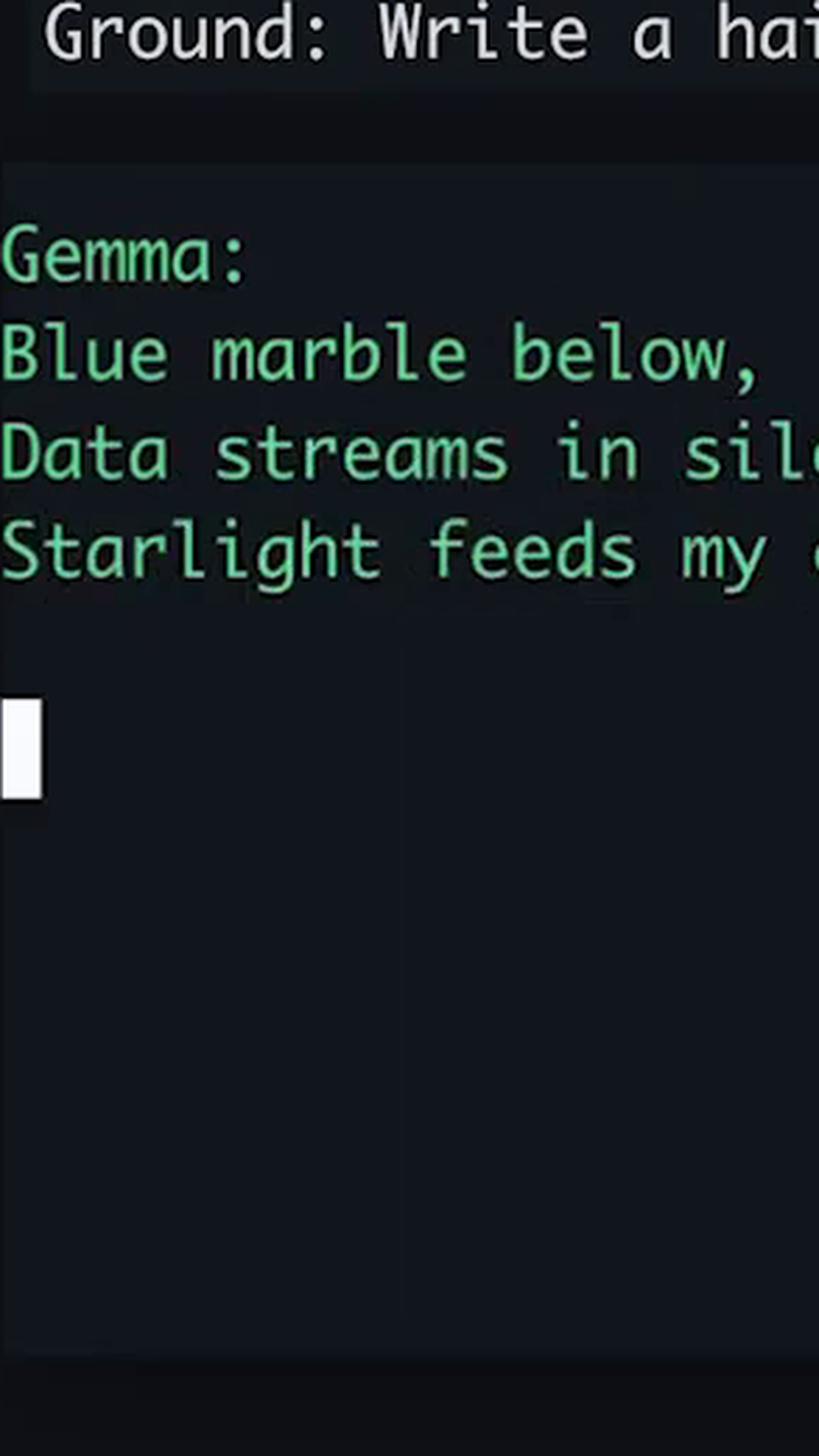
- 01. Project Suncatcher: command sent to orbit, TPU booted, Gemma 4 ran a prompt and returned a haiku; twin laser-linked satellites planned for 2027
- 02. Subvocal: $1.3M from YC and Afore; radar-based glasses decode silent mouthing, claimed 200+ words a minute; $499 early bird, shipping expected Q1 2027
- 03. Canva Brush: vision-language model that edits designs, claimed up to 69% faster and 46% cheaper per edit; available to Canva Pro
- 04. Claude plans: Max 5x becomes Max, Max 20x becomes Ultra; five-hour limit removed for verified Ultra accounts; weekly limits unchanged
- 05. Mischief 1: image-to-video on Wan 2.2 from TBC's neuron research; from $0.005 a second, claimed 5x faster; on fal and OpenRouter
Today's AI news: Google's Project Suncatcher ran Gemma 4 on a TPU in orbit and sent a haiku back to Earth. Subvocal raised $1.3M from Y Combinator and Afore Capital for glasses that turn silently mouthed words into text, with pre-orders open at $499. Canva introduced Brush, its first vision-language model for design. Anthropic renamed Max 20x to Ultra and is removing the five-hour limit for verified Ultra accounts. And The Biological Computing Company launched Mischief 1, an image-to-video model built from research on living neurons.
Chapters:
0:00 Today's AI News
0:24 Project Suncatcher
1:15 Subvocal Glasses
1:55 Canva Brush
2:38 Claude Ultra
3:19 Mischief 1
Blend Roundup 2026-10-30
https://x.com/sundarpichai/status/2116214866444943853
https://x.com/AarushYadav47/status/2116198463847408066
https://x.com/dflieb/status/2116205894941978754
https://x.com/canva/status/2115885750013321704
https://x.com/bcherny/status/2116222842413142111
https://x.com/claudeai/status/2116220869479428500
https://x.com/AlexKsendzovsky/status/2116153410101944352
Google runs a prompt on a chip in orbit and gets poetry back. A startup wants you to talk to your computer without making a sound. Canva builds its own design model, Anthropic drops the limit for its top subscribers, and a video model comes out of research on living brain cells. Here's today's AI news.
Google has run an AI model in space. Sundar Pichai says Project Suncatcher's prototype satellite, launched a few weeks ago, has received a command from the ground, booted up its TPU, run a prompt, and sent a complete response back to Earth. The response was a haiku. The model was Gemma 4, running on a data-centre-class chip. The satellite was built with Planet and launched on a SpaceX rideshare on October the first. Google's reasoning is that sunlight in low Earth orbit is close to constant, with up to eight times the solar generation you'd get on the ground. Next, the team will test how the chips cope with heat and radiation, and in 2027 it plans twin satellites linked by laser. For now, it's a very expensive way to get a poem.
Subvocal has raised 1.3 million dollars from Y Combinator and Afore Capital for glasses that let you talk to your computer without making a sound. There's no camera. The glasses bounce radar signals across your face, and an AI model turns the tiny movements of your speech muscles into text as you silently mouth the words. The company claims more than 200 words a minute, which hasn't been independently tested. Pre-orders are open in the US at 499 dollars, with a refundable 199 dollar deposit, and shipping is expected early next year. It was reportedly built in four months.
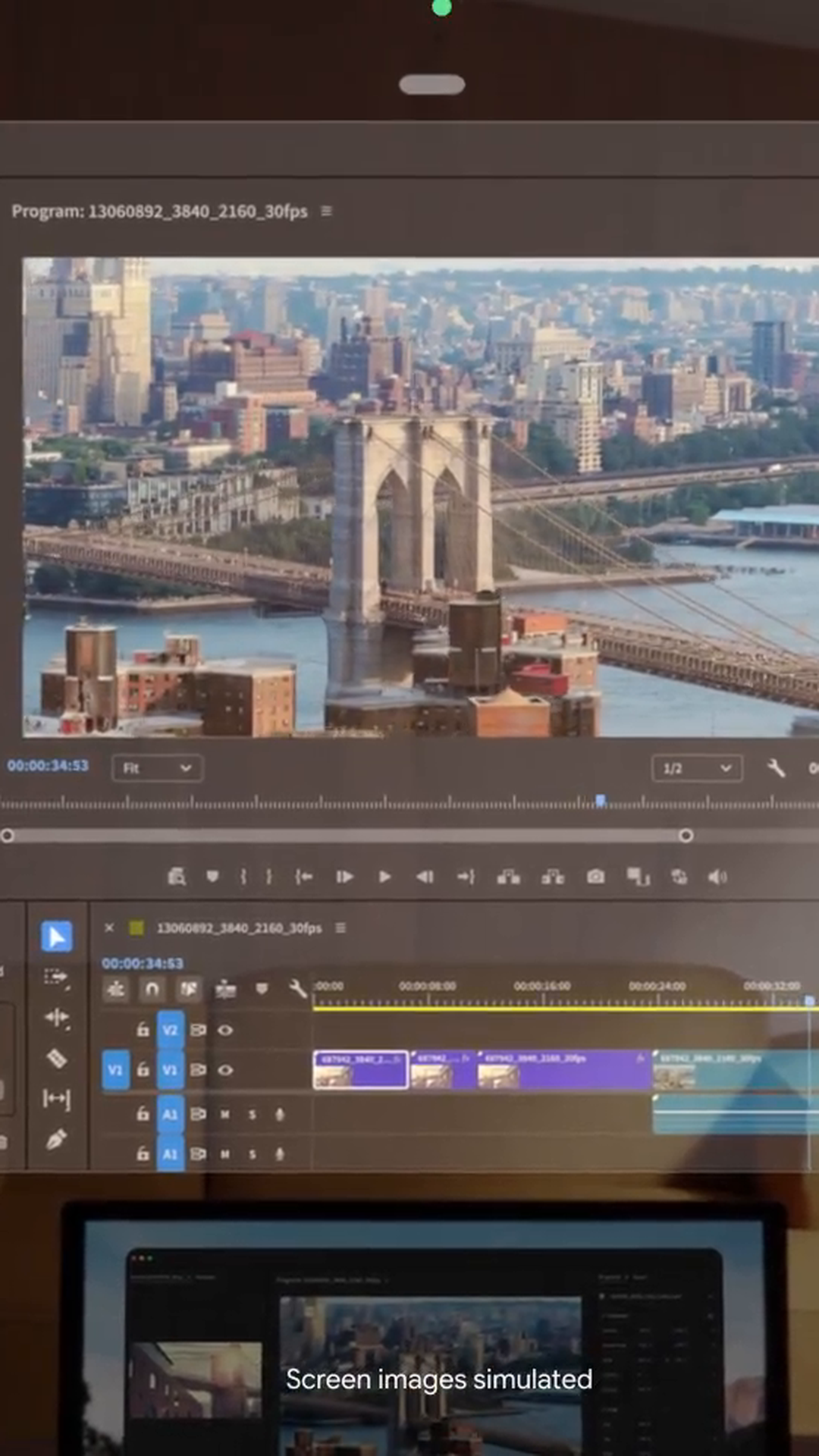
Canva has introduced Brush, its first vision-language model for design. It reads a design's layout and layers, then edits it, from one line of text to every slide in a deck, and what comes back stays fully editable. Brush doesn't generate images. That's the job of Canva Craft, a separate model. Canva started from an open-weights model and trained it on real design tasks, with its own designers defining what good looks like. It claims edits are up to 69% faster and 46% cheaper than its previous agent, though those are its own numbers. It's available now to Canva Pro subscribers, with wider access coming soon.
Anthropic is removing the five-hour limit for verified subscribers on its top Claude plan, which also has a new name. Max 20x is now Ultra, and Max 5x is now just Max. Prices stay the same, at 200 and 100 dollars a month. The change starts today with most existing subscribers. Newer accounts keep a temporary limit until they're verified, which Anthropic says helps prevent fraud and abuse, and they'll get an email when it's lifted. The announcement only covers Ultra, and weekly limits are unchanged. So you can now run out of Claude once a week rather than several times a day.
The Biological Computing Company has launched Mischief 1, an image-to-video model with an unusual origin. For four years, the company has grown real brain cells on electrodes to study how they compute. The neurons stay in the lab. What it learns becomes a small software layer on top of Wan 2.2, Alibaba's open video model, running on standard AI chips. The company claims it's five times faster than Wan at the same quality, from half a cent per second, though it hasn't published independent tests. It's on fal and OpenRouter now, with AWS Marketplace to follow. So no, your video isn't being rendered by a brain.
Meta Data
Tag:
Model: