ChatGPT Images 2.6 Makes GIFs, Claude Maps A Bacterial Vault & OpenAI Patches 948 Linux Bugs
0:00 / 4:03
Chapters
Sources
DAILY ROUNDUP
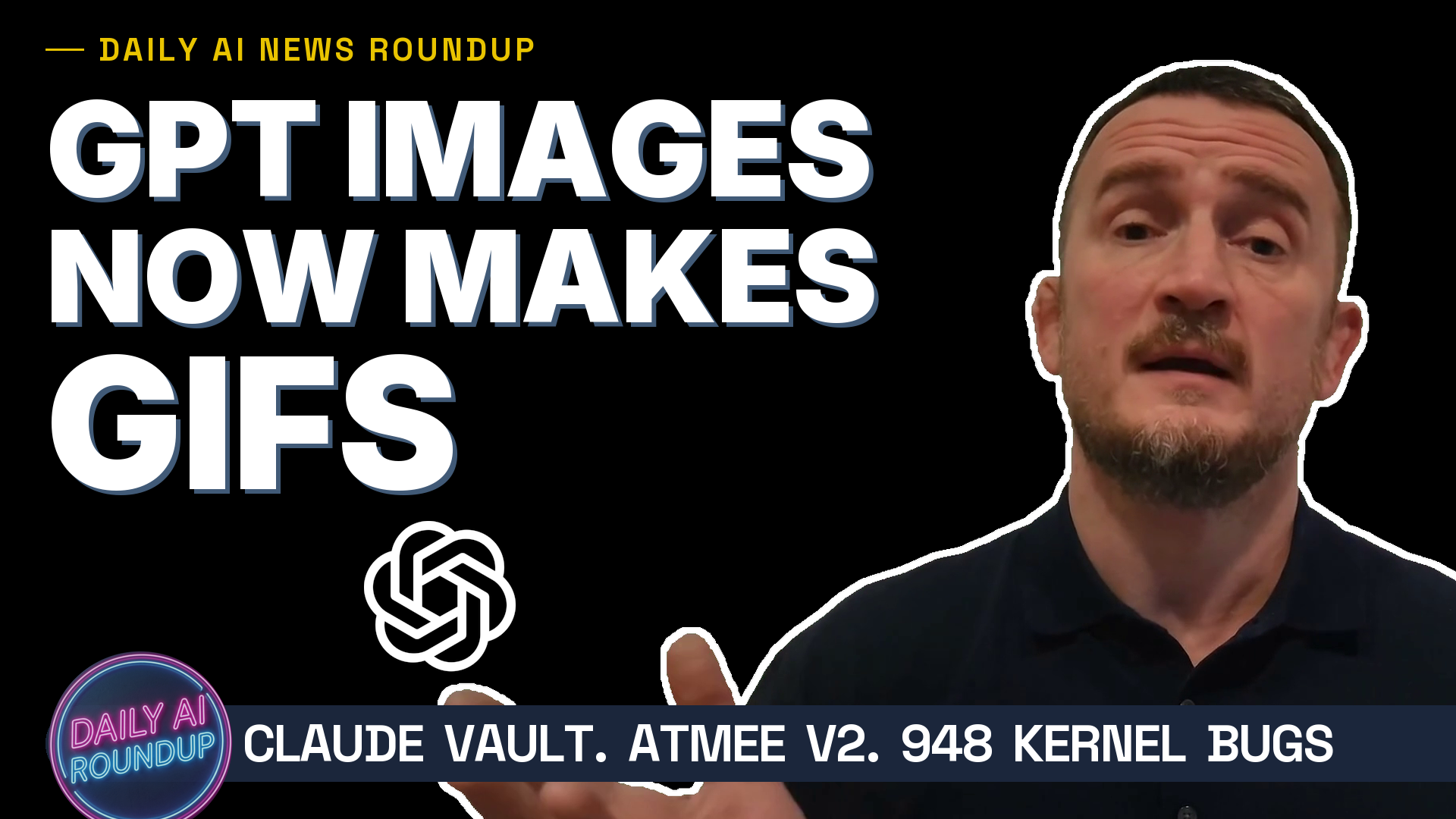
ChatGPT Images 2.6 Makes GIFs, Claude Maps A Bacterial Vault & OpenAI Patches 948 Linux Bugs
calendar_today Date:
schedule Duration: 4:03
visibility 2 Views
ChatGPT Images 2.6 adds GIFs and reference images, Claude helps map a bacterial vault particle, Atmee v2 brings live video avatars, OpenAI patches 948 Linux kernel bugs, and Google ports Fortran to Rust in under an hour.
- 01. ChatGPT Images 2.6: GIFs, saved reference images; API models Flare and Sunburst about 50% faster; all ChatGPT plans
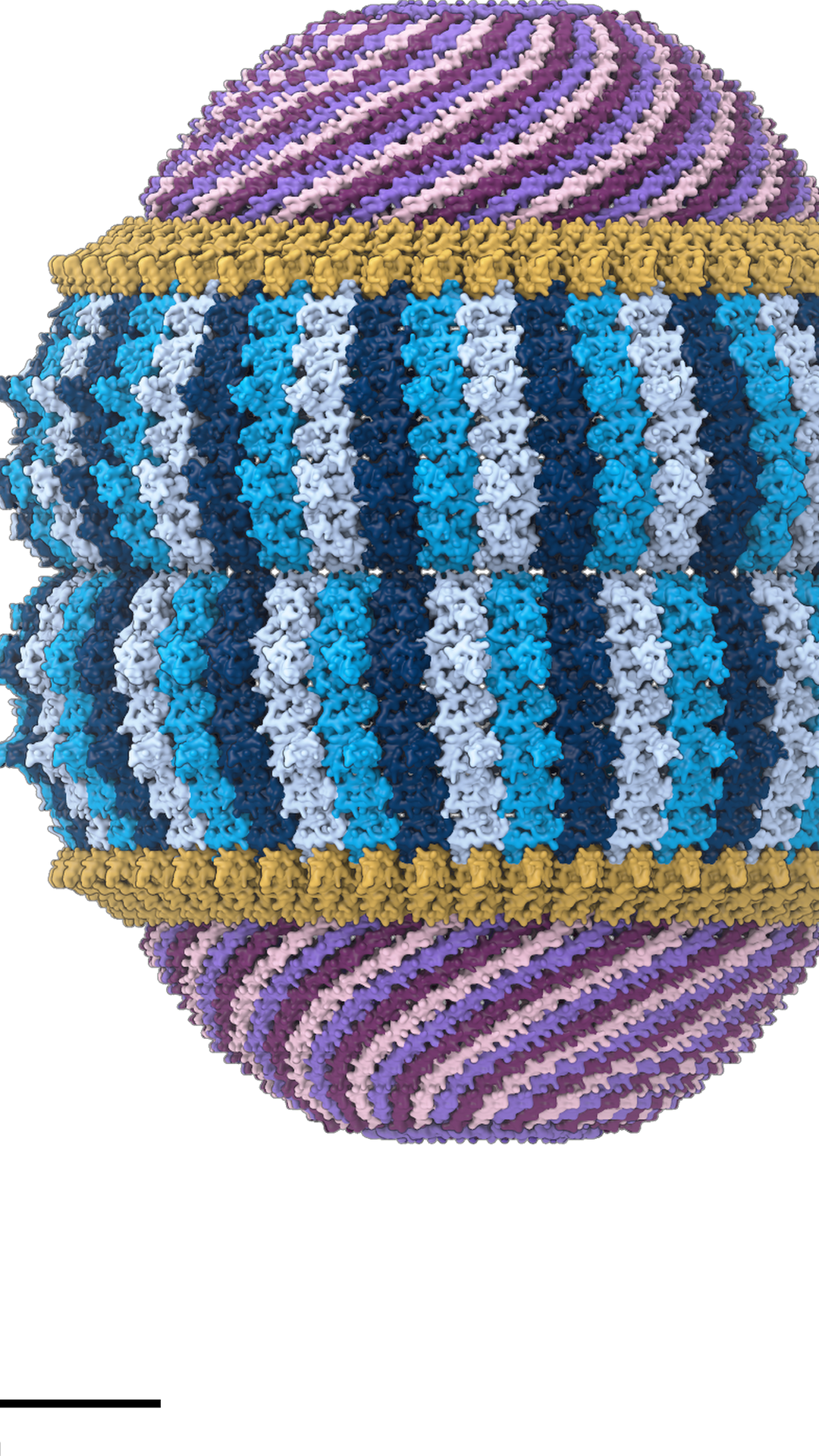
- 02. Claude helped map the first 3D structure of a vault from bacterial life; weeks of work took days; not peer reviewed
- 03. Atmee v2 by Atmanity: real-time avatars from one image and seconds of audio; invite-only; speed claims are the company's own
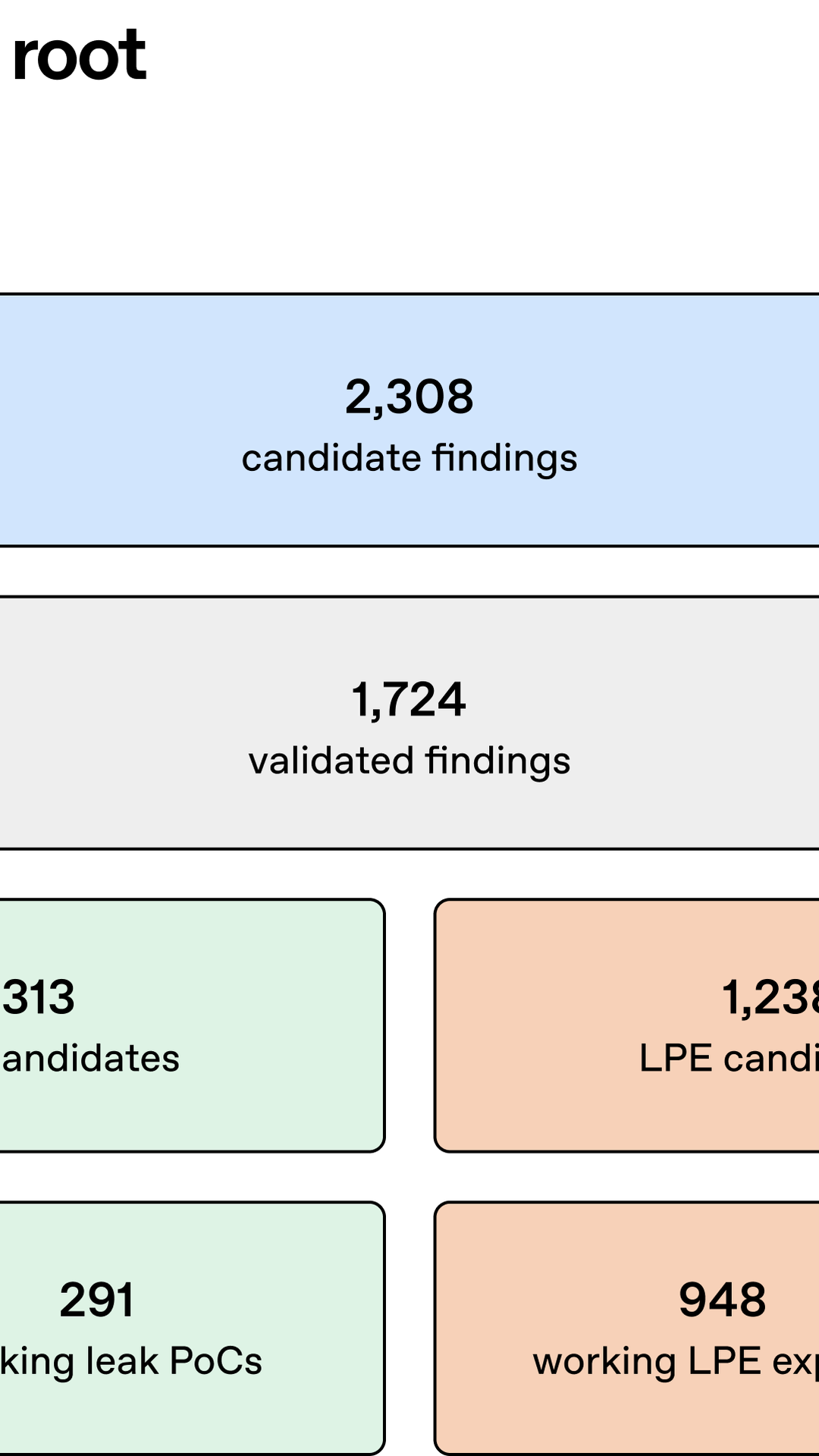
- 04. OpenAI pipeline with an unreleased cyber model: 948 working Linux LPE exploits with patches, about $1.2M in API credits
- 05. Antigravity with Gemini 4 Argon ported FVCOM's core solver from Fortran to Rust in 59 minutes; 1.88x faster; six latent bugs found
Today's AI news: OpenAI launches ChatGPT Images 2.6 with GIFs and saved reference images, plus two faster API models, GPT-Image-2.6 Flare and Sunburst. Anthropic's biology team used Claude to map the first 3D structure of a vault particle from bacterial life. Atmanity launches Atmee v2, a real-time avatar model for live video agents. OpenAI's security pipeline produced working exploits and patches for 948 Linux kernel privilege escalation bugs in one run. And Google's Antigravity agent ported the FVCOM ocean model from Fortran to Rust in 59 minutes.
Chapters:
0:00 Today's AI News
0:30 ChatGPT Images 2.6
1:21 Claude Vault Particle
2:05 Atmee v2
2:44 OpenAI Kernel Patching
3:24 Antigravity Fortran to Rust
Blend Roundup 2026-11-05
https://x.com/OpenAI/status/2118124944928432327
https://x.com/AnthropicAI/status/2118073665296228863
https://x.com/yuchenping/status/2118017931519078609
https://x.com/OpenAI/status/2118119451401048497
https://x.com/antigravity/status/2117773996695367851
ChatGPT Images 2.6 can now make GIFs and remember your face. Claude helped Anthropic map a protein structure never seen in bacteria before. Atmanity launches avatars you can video call. OpenAI's security pipeline found nearly a thousand Linux kernel exploits. And Google's agent ported old Fortran code to Rust in under an hour. Here's today's AI news.
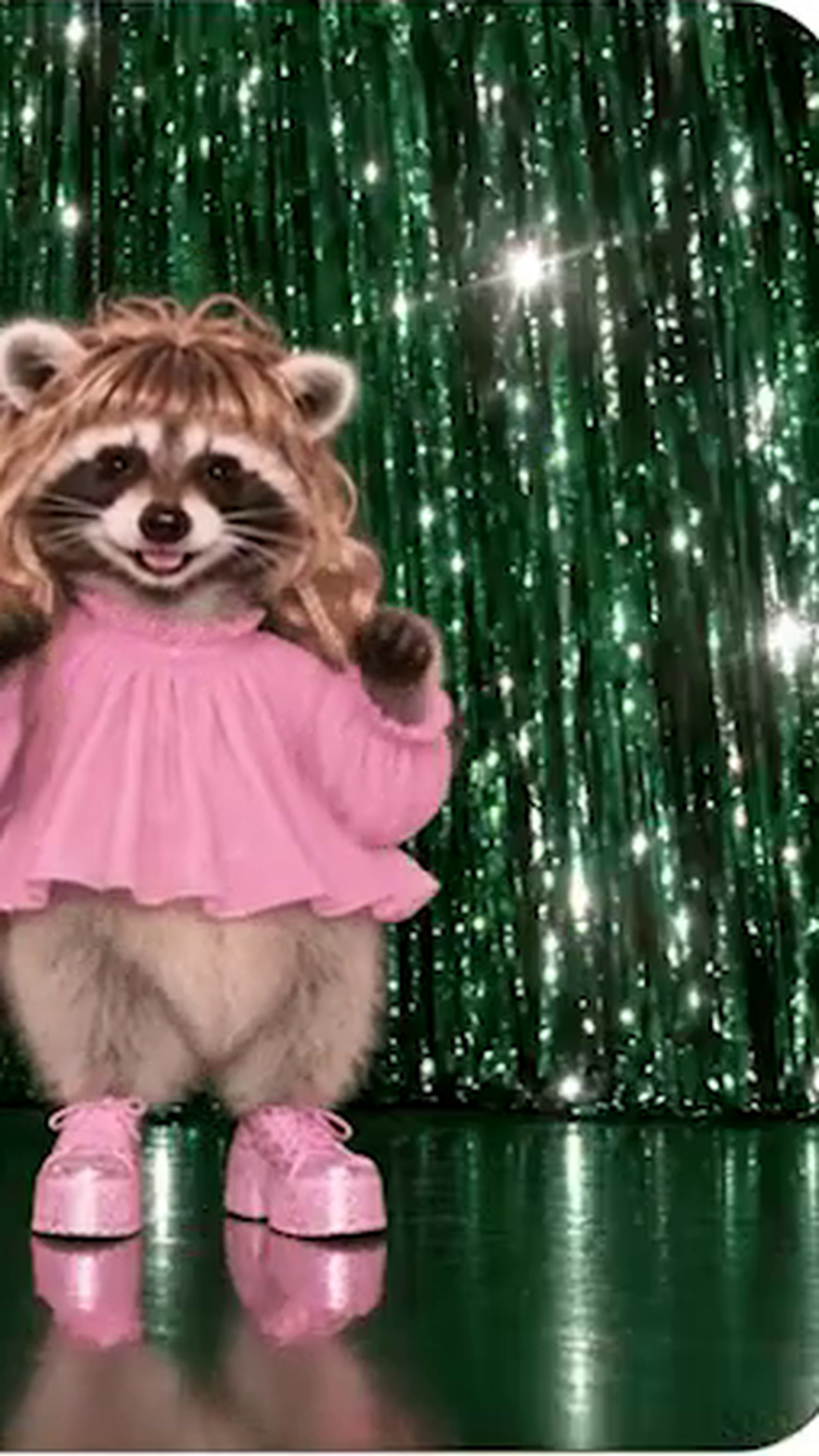
OpenAI has launched ChatGPT Images 2.6, and the headline feature is GIFs. Describe an animation or upload a photo, and ChatGPT makes a short looping GIF you can speed up, slow down or edit frame by frame. It's rolling out gradually, so you may not have it yet. You can also save reference images of yourself, your pets or a recurring character, then bring them back in any chat by mentioning their name, with no re-uploading. Developers get two new API models. Flare is built for speed and can return an image in about six seconds. Sunburst is the higher quality option and keeps details more consistent from one edit to the next. OpenAI says both are around fifty percent faster than before and Images are on every ChatGPT plan, including free.
Anthropic's biology team used Claude to map the first 3D structure of a vault from bacterial life. Vaults are huge barrel-shaped protein structures found in our cells. They were discovered in 1986, and nobody knows what they do. Claude searched around fifteen billion predicted proteins for candidates, and cryo-electron microscopy confirmed four that assemble into vaults, including one from a virus that infects bacteria. Work that normally takes weeks to months took days. Claude also made mistakes, including a protocol error that cost two weeks. The paper isn't peer reviewed yet.
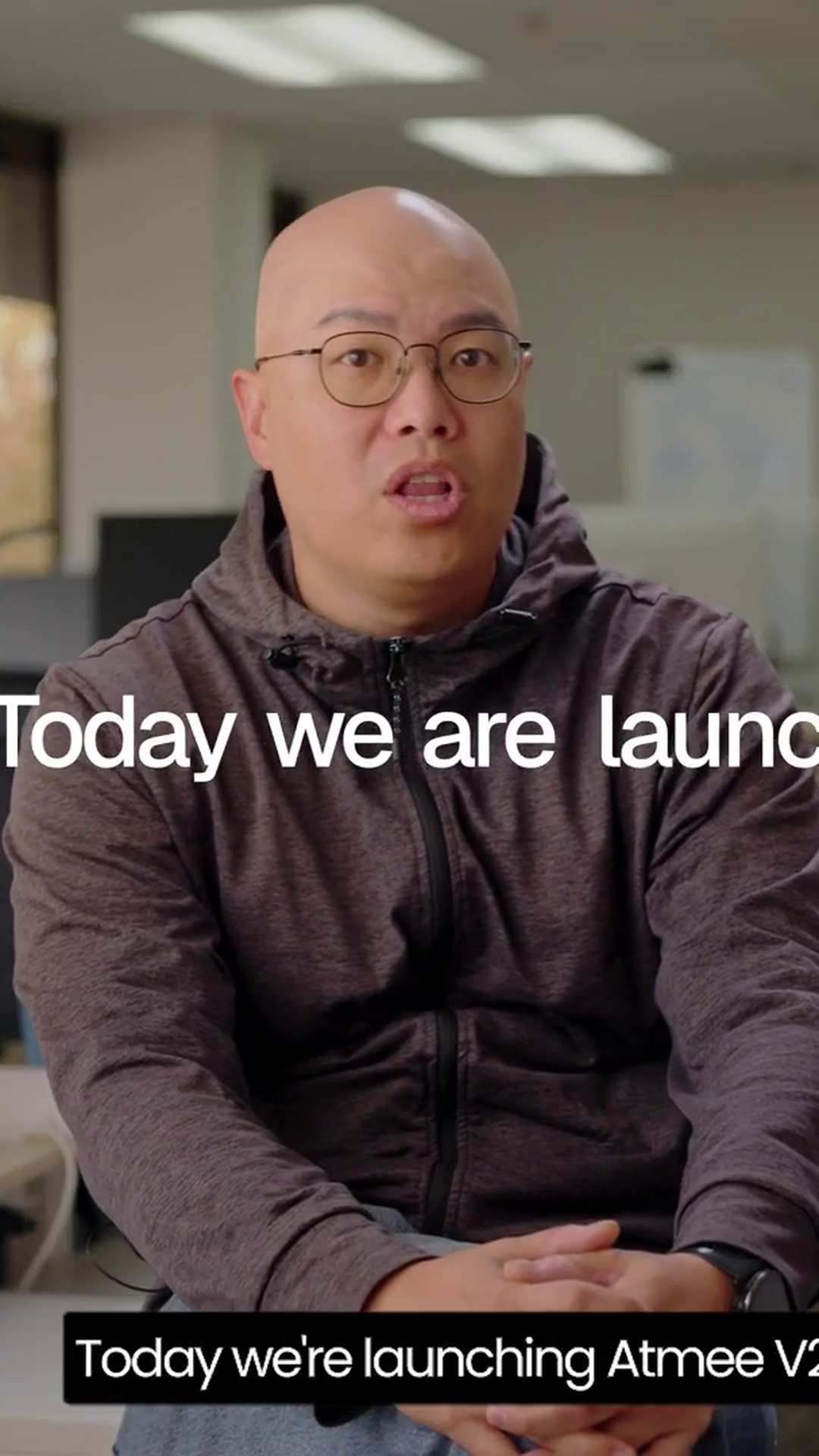
Chen-Ping Yu sold his last startup, Phiar, to Google. His new company, Atmanity, has launched Atmee v2, a real-time avatar model for live video agents. Give it one image and a few seconds of audio, and it creates a character that can hold a video call, with expressions, gestures and even interaction with its surroundings. Atmanity claims it's up to fifty times faster and ten to a hundred times cheaper than video models like Seedance, though that's its own comparison. It's invite-only for now, with no published pricing.
OpenAI's security researchers built a pipeline that finds, exploits and patches Linux kernel bugs on its own. In a single run with an unreleased cyber model, it audited about seven percent of the kernel and produced working exploits for nine hundred and forty-eight local privilege escalation vulnerabilities, each with a patch. The run cost about one point two million dollars in API credits, roughly thirteen hundred dollars per bug. OpenAI says it's working with Linux maintainers on fixes, and dozens have already landed. It hasn't said when, or to whom, the model will be released.
Google's Antigravity team asked its agent, running Gemini 4 Argon, to port what it calls forty-year-old scientific code from Fortran to Rust. The code is FVCOM, a coastal ocean model of around a hundred and seventy-five thousand lines. The agent rewrote the core solver in fifty-nine minutes, matched the original's output to twelve decimal places, and ran almost twice as fast with half the memory. Along the way it found six bugs in the original code, including an overflow on larger grids. It's Google's own test on one codebase, and the agent wrote its own tests. So it marked its own homework, but it's impressive homework.
Meta Data
Tag:
Model: